


Norah Smith, PhD
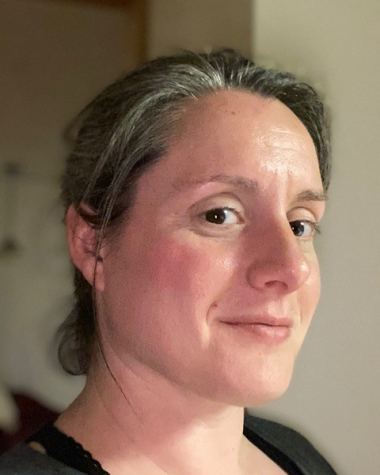
Assistant Research Professor
Department of Microbiology & Immunology
Lab WebsiteCornell University College of Veterinary Medicine
C5-135 Veterinary Medical Center
Ithaca, NY 14853
Profile
Research/Clinical Interests
CD8+ T cells are adaptive immune cells that protect the host against a wide variety of pathogens and cancer. Immunologists have long appreciated that CD8+ T cells display varied responses to activation, making a variety of types of effector and memory cells. In contrast, the naïve pool is traditionally thought of a homogenous mixture of cells where each individual cell has uniform potential to become those different types of effector and memory cells. Recent work by myself and others demonstrate that the naïve pool of T cells is, in fact, quite diverse. Furthermore, different types of naïve cells show intrinsic fate biases upon stimulation. With the advent of cell-based immunotherapies, it is more important than ever that we understand how and why individual T cells display specific behaviors. My research goals are to better understand the specific factors that directly influence the long-term fates of CD8+ T cells after infection or activation, with a particular interesting using genetic variation as a tool to reveal previously unidentified regulatory mechanisms that control various T cell functions.
Education
BS Cornell University
PhD Cornell University
Biography/Professional Experience
Dr. Smith is an Assistant Research Professor in the Department of Microbiology and Immunology. Her long-term interest in immunology began with summer research opportunities at Trudeau Institute in Saranac Lake, NY. She received her bachelor's degree in Chemical Engineering from Cornell University. She then continued her education at Cornell in the Department of Chemistry and Chemical Biology, earning a PhD in Immunology studying immunoreceptor signaling in mast cells in the lab of Drs. Barbara Baird and David Holowka. Upon graduation, she migrated to the College of Veterinary Medicine where postdoctoral research with Dr. Brian Rudd ignited her interest in T cell biology, particularly developmental aspects of CD8+ T cells, also known as cytotoxic T lymphocytes (CTLs).