

Andrew White, PhD
Associate Professor
Department of Biomedical and Translational Sciences
White LabCornell University College of Veterinary Medicine
Veterinary Research Tower, Box 16
Ithaca, NY 14853-6401
Profile
Research/Clinical Interests
Our lab studies how melanoma begins, why it evades treatment, and how the regenerative power of stem cells can be turned against disease.
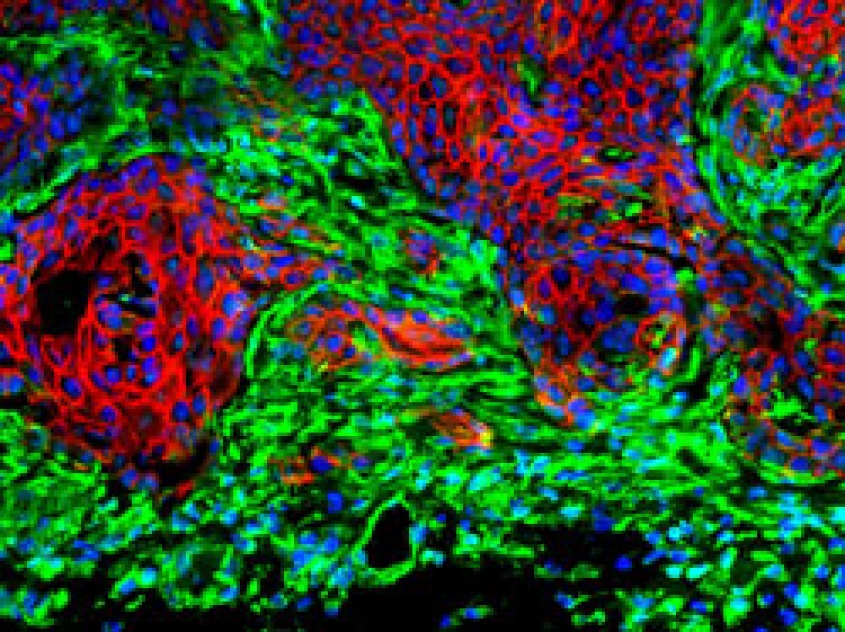
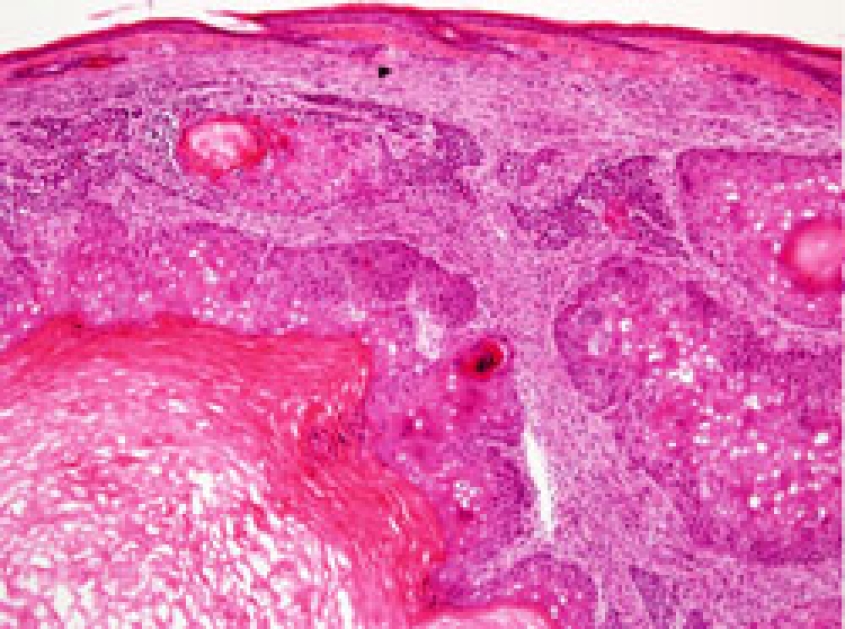
Much of our work uses immunology to understand and overcome therapy resistance in human melanoma. Targeted drugs seldom clear every tumor cell, and the cells left behind can drive relapse. We are defining how the immune system can be enlisted to eliminate this residual disease and hold resistant tumors in check. We extend the same strategy to comparative oncology, developing new approaches to treat melanomas that arise naturally in dogs and horses, so discoveries move in both directions between animal and human patients.
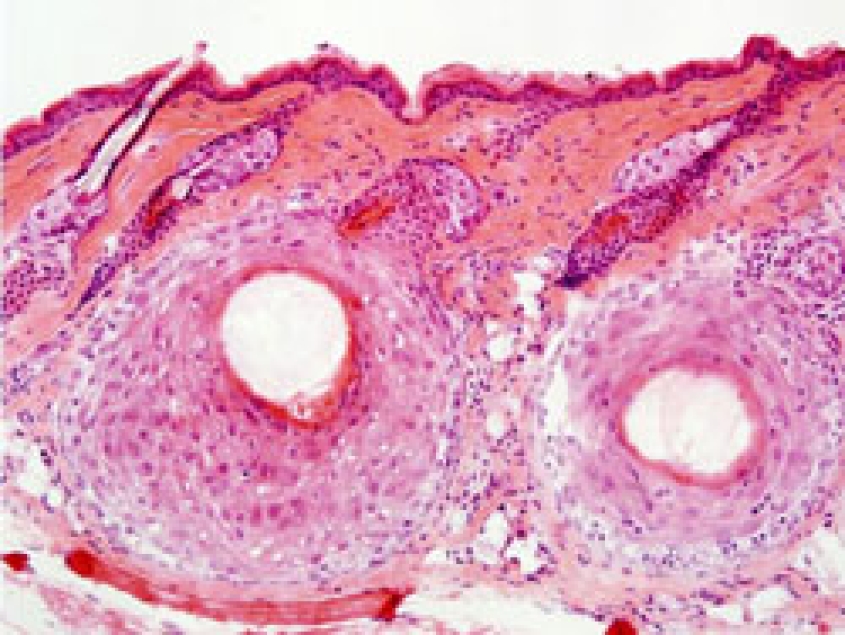
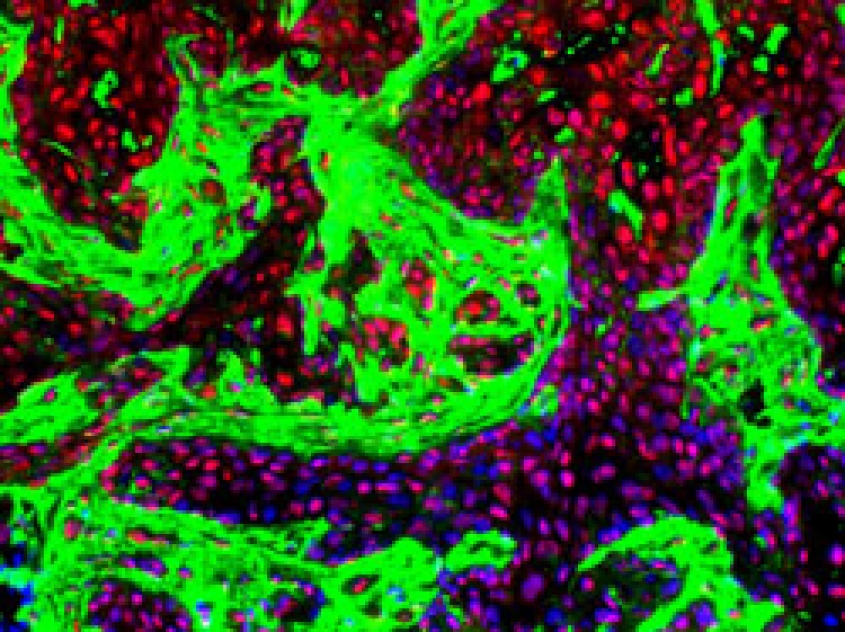
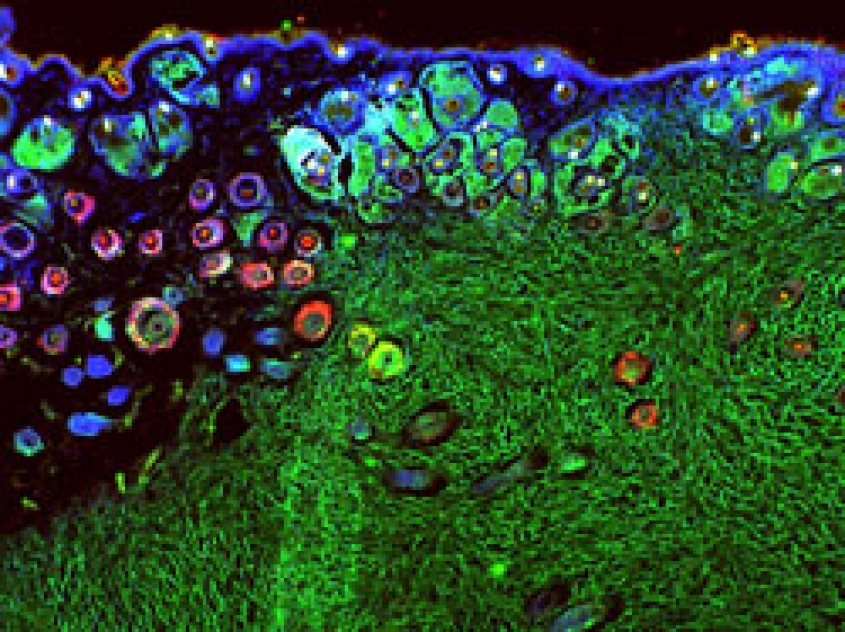
We are equally interested in the earliest stages of cancer. Working in vivo, we trace how tumors initiate from resident stem cell populations, and we study the African spiny mouse, a mammal that regenerates injured skin without scarring and shows unusual resistance to skin tumor formation, to identify what protects its tissues. Those lessons point toward a longer-term goal, preventing skin cancer before it forms rather than treating it after the fact.
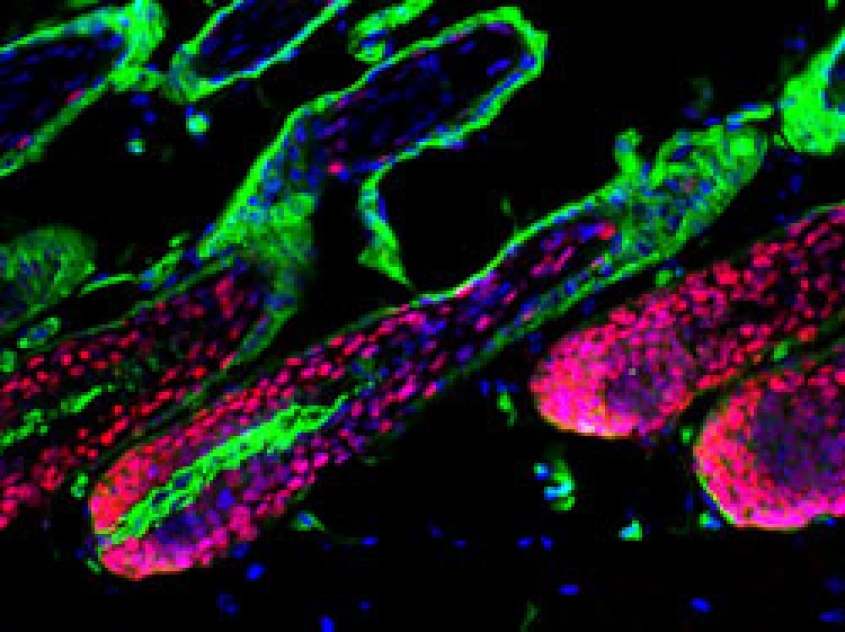
A related project asks how melanocyte stem cells can be mobilized to restore lost pigment. These cells reside in the hair follicle and can replenish pigment-producing melanocytes in the epidermis. We are mapping the signals that recruit them and guide their progeny into depigmented areas, an effort aimed at new therapies for vitiligo.
To pursue these questions, the lab combines genetically engineered mouse models, naturally occurring tumors in veterinary patients, single-cell and spatial profiling, imaging, and functional immune analysis. Graduate students and postdocs develop independent projects within these areas and learn to connect fundamental mechanisms to cancer prevention, treatment, and regeneration across species.
Education
- Postdoctoral Research, Adult Stem Cells and their Relationship to Cancer Initiation, UCLA
- PhD, Developmental Biology, Washington University
Biography/Professional Experience
Andrew studies how stem cells and immune microenvironments shape melanoma initiation, treatment response, and relapse, with complementary work in comparative oncology and regenerative medicine. Andrew received his Ph.D. in Developmental Biology from Washington University in St. Louis. For his postdoctoral research, he studied adult stem cells and their relationship to cancer initiation at UCLA with Bill Lowry.
Publications
Link to all publications
See all publicationsAdditional Information