


Florence and Phyllis on Maternal Antibodies
Dear Florence and Phyllis,
I’m a vaccine — a rotavirus vaccine to be exact. My goal in life is to protect newborns from the nasty rotavirus, which causes life-threatening diarrhea and vomiting in children younger than five.
Normally, I’m able to do my job just fine. I’m given to newborns as a liquid in the mouth, and I protect them from the disease. But in some cases I’ve been failing, particularly when I’m given to children in lower-income countries.
I’m really losing confidence over this. I thought I was good at what I do, but now I don’t know anymore. How can I find a way to overcome this challenge?
Sincerely,
Incompetent Inoculation
PHYLLIS: Well, you’ve come to the right place. I have a special talent for telling people like it is, and you’re no exception. You should probably give up.
FLORENCE: Hold on there, Phi. I think that’s a little extreme. Remember, Incompetent said they’re able to do their job just fine, which means that the oral vaccine works in some cases, just not all. Maybe something’s going on with these newborns in lower-income countries. If my sources are correct, the amount of maternal antibodies passed down from mother to infant varies from place to place. In lower-income countries, mothers tend to be exposed to more pathogens, and thus have more antibodies to pass on to their babies.
PHYLLIS: You make that sound like it’s a bad thing. But last time I checked, having more antibodies to fight nasty germs would be a bonus.
FLORENCE: Well, in some ways, it can be. Maternal antibodies are an evolutionary strategy to protect immunologically-naïve newborns from pathogens in the environment. But those antibodies may get misguided sometimes, and decide that vaccine particles — which are designed to resemble the germs they protect against — are just too suspicious to leave alone, and destroy them.
PHYLLIS: Whoa, that’s a bit dramatic! And I’m saying that as someone who loves drama. Anyway, I still stand by my first piece of advice to Incompetent: Give up, because clearly you’re not working for newborns who need help the most. #sorrynotsorry
FLORENCE: I’m not ready to give up on Incompetent just yet, Phyllis. I’m thinking that they might only need to change their approach to the problem.
PHYLLIS: Oh, please! How is that supposed to help anything? Mama-bear antibodies know no limits!
FLORENCE: Actually, they do! A study from Dr. Sarah Caddy’s lab found that maternal antibodies in the intestines actively bind and clear vaccine particles.
PHYLLIS: Could we say they’re going on gut instinct? Ha! I crack myself up.
FLORENCE: …Sure. And since the intestines are the primary place Incompetent is escorted out, that tells me that they should find an alternative way into the newborn’s system.
PHYLLIS: OMG I was about to say that myself! Incompetent, good news. You don’t have to quit. Just find a new mode of transportation. Oral medication is not the vibe anymore. Get yourself a nice syringe and inject yourself directly into that shoulder, babe.
FLORENCE: Yep, once you’re getting injected into the newborns, you won’t end up in their intestines, and will avoid any awkward encounters with overprotective maternal antibodies. And you can continue to do what you do best: protecting young ones from the rotavirus! Hope that helps, Incompetent!
Meet the hosts
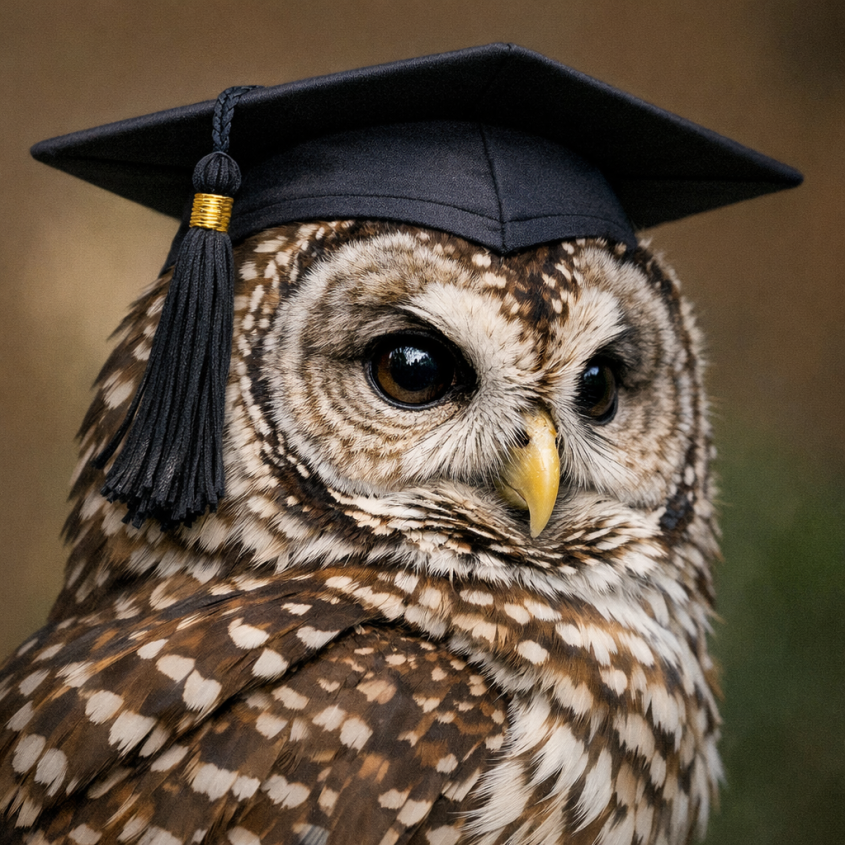
Florence B. Owl
Florence’s interest in science started when she was just an owlet. Born from barred owl parents who nested near the Cornell University College of Veterinary Medicine, she fell from her home tree and was rescued by veterinarians at the Janet L. Swanson Wildlife Hospital. Florence’s hospital stay sparked her passion for veterinary knowledge. Now an adult, this lifelong learner roosts outside the school, where she can peek in on the scientific research and clinical care happening at the college and keep her knowledge on par with the researchers she considers her peers.
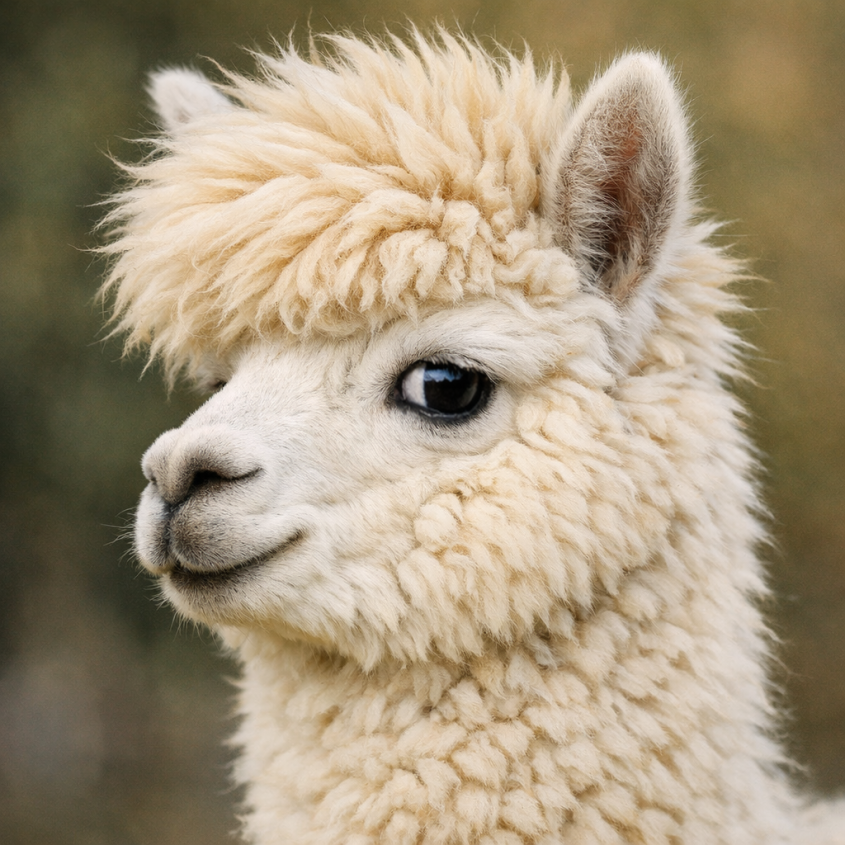
Phyllis L. Packah
Born and raised on a farm, Phyllis has worked in upstate New York’s textile industry all her life. With her down-to-earth attitude, sassy opinions and endless, nosy curiosity, Phyllis enjoys asking questions and getting answers so she can show off her knowledge on a variety of topics. Like most alpacas, she firmly believes that her high-end coat sets her a cut above the rest, though she’d never admit it. With her tenacious ability to dig into topics and bring up the questions others might be afraid to ask, Phyllis is almost always guaranteed to get the full story.
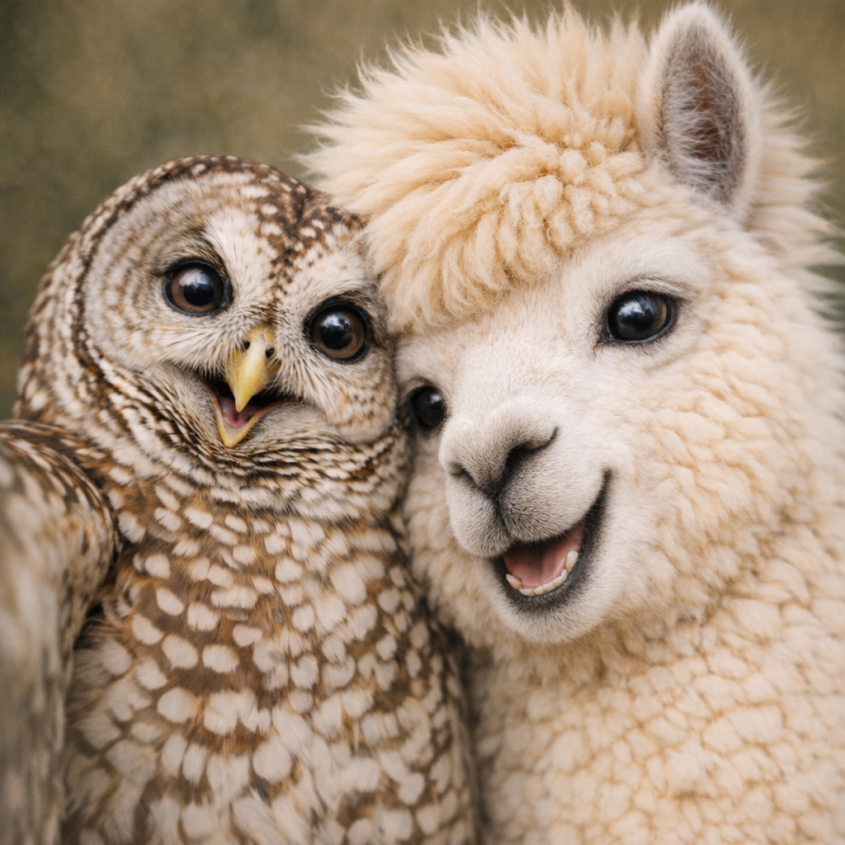
About the Phyllis and Florence Series
Phyllis and Florence struck up a friendship when Phyllis came to the Cornell Nemo Farm Animal Hospital for a check-up. Now the unlikely pair have combined their curiosity and wisdom to explain complicated topics in the veterinary medicine world and to offer advice to their readers. Explore their conversations for insights into the latest trends in veterinary medicine and new research at the College of Veterinary Medicine.
Read all of Florence and Phyllis’s conversations.
Images of Florence and Phyllis are AI-generated and do not represent real animals.