
Veterinary technicians earn CE credit and diagnostic best practices at annual AHDC Day
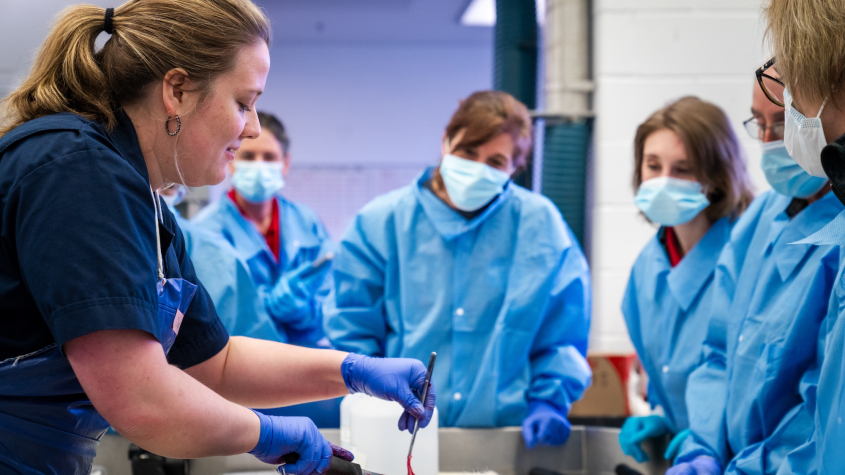
The Cornell Animal Health Diagnostic Center (AHDC) hosted its third annual AHDC Day at Cornell Monday, March 16. This free event brought together veterinary technicians from New York and surrounding states for a full day of hands-on learning and interactive discussions focused on diagnostic best practices, while also offering New York state continuing education credit.
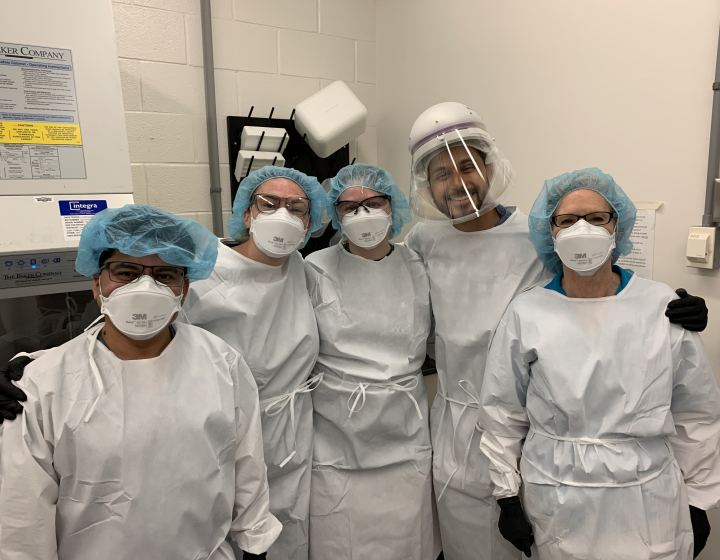
The program combined laboratory sessions, lectures and a facility tour to provide participants with practical skills directly applicable to clinical settings. Attendees gained experience in hematology, including blood smear preparation and interpretation, and learned key considerations for coagulation testing to ensure accurate and reliable results. Parasitology sessions highlighted the Cornell approach to fecal diagnostics, while endocrinology discussions emphasized appropriate test selection, sample handling and species-specific considerations. Participants also received training on the AHDC submission portal, including how to efficiently submit samples, access results and utilize available resources.
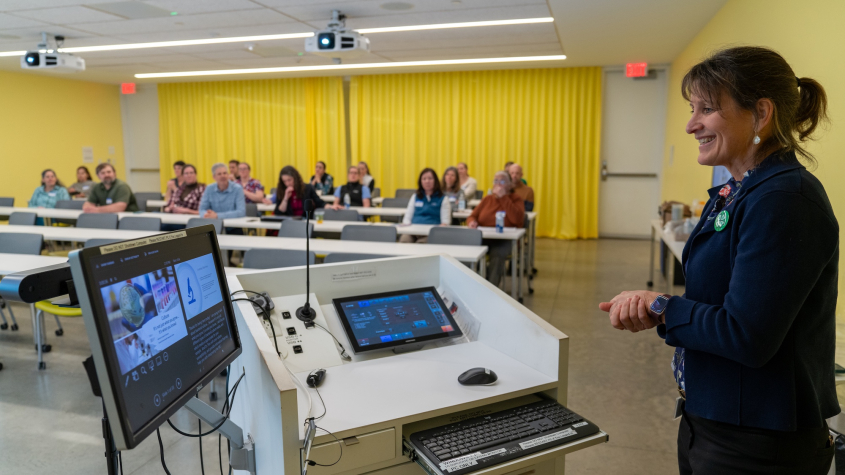
The day also provided valuable opportunities for networking, including a meet-and-greet with the Client Resource, Receiving, and Shipping teams. Overall, the event was very well received, with participants appreciating the balance of lectures, hands-on laboratories, and practical guidance aimed at improving diagnostic success in veterinary practice.
“We extend our sincere thanks to everyone who contributed to making AHDC Day 2026 a success,” said Dr. Kimberly Snedden, assistant professor of practice and diagnostic intelligence officer with Veterinary Support Services. “Special recognition goes to the Clinical Pathology, Coagulation, Parasitology, and Endocrinology Laboratories, as well as the Client Resource and Veterinary Support Services teams for their dedication and support.”