



How molecular mechanisms drive placenta development and dysfunction
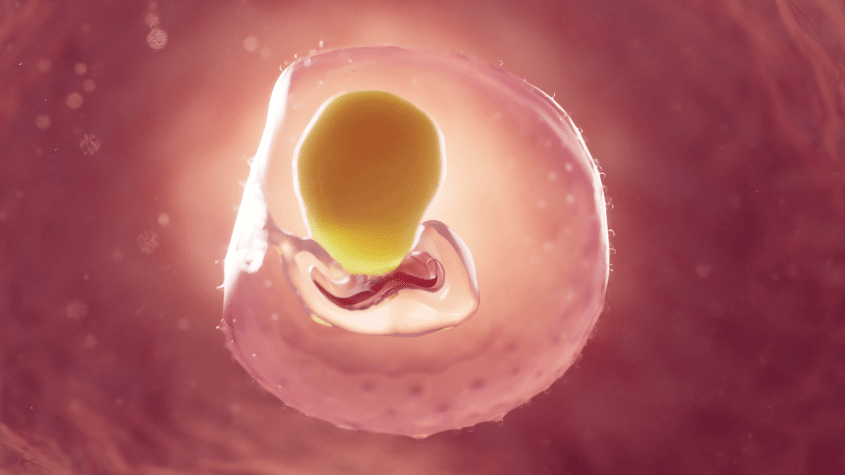
Genetic defects in the DNA replication machinery can disrupt placental formation at very early stages of development — highlighting the importance of genomic stability for this transient organ. Photo: Sebastian Kaulitzki/ Adobe Stock
Proper placental development is essential for the health of both the mother and the fetus during pregnancy, yet the underlying molecular mechanisms of this process are poorly understood.
A recent study in PLOS Genetics led by Dr. John Schimenti, James Law Professor of Genetics in the Department of Biomedical and Translational Sciences, and conducted by postdoctoral fellow Dr. Munisha Mumingjiang and former graduate student Dr. Rui Huang, showed that genetic defects in the DNA replication machinery can disrupt placental formation at very early stages of development — highlighting the importance of genomic stability for this transient organ.
Using mouse models with ongoing DNA replication stress, which can include obstacles to the DNA copying machinery or a lack of necessary genetic building blocks, Schimenti found that the earliest-stage placental stem cells lose their ability to self-renew, leading to a reduced pool of these important stem cells and a shortage of key types of trophoblasts — early embryonic cells that attach to the uterine wall.
As a result, mice undergoing DNA replication stress had smaller, poorly developed placentas, which negatively affected embryo growth and survival and the health of surviving offspring.
“Although the placenta is a temporary organ that normally displays a relatively high level of genetic anomalies, our study suggests that protecting the genome from excessive damage during the earliest stages of development is critical for building a healthy placenta, which in turn supports a successful pregnancy,” says Schimenti.
Notably, female fetuses are affected more severely than males, which Schimenti’s group previously showed might be related to the anti-inflammatory protective effects of testosterone in male fetuses.
These results underscore the importance of understanding the molecular underpinnings of placenta development — which Schimenti and his team will continue to explore. “Our next step will be to study how placental stem cells respond to DNA damage, and how they might be able to protect themselves against that damage,” he says.
-Written by Lauren Cahoon Roberts