


Water hemlock toxicosis in livestock
A field necropsy was submitted to Cornell AHDC in April, 2026 from a 10-month-old mixed-breed steer that had been found dead on a peninsula in the northwestern United States. The submitting veterinarian reported serosanguinous peritoneal effusion, postmortem bloat and decomposition grossly. Seven additional herd mates were similarly found dead or observed to collapse and exhibit paddling behavior prior to sudden death. The dead animals were of both sexes and ranged from yearling to 5 years old. They had access to good quality hay and water, but had been observed digging up and consuming roots within their pasture. These root materials were found in the rumen of the deceased cattle, and resembled both the edible plant Heracleum maximum, also referred to as pushki or cow parsnip, and toxic water hemlock (Cicuta). After moving the herd to a different pasture without this plant, the deaths stopped.
In this case, acute poisoning from ingestion of a poisonous plant was prioritized. The Cornell AHDC Veterinary Support Services team assisted in coordinating the referral of rumen contents to the UC Davis California Animal Health and Food Safety Laboratory System Toxicology Laboratory for toxic plant alkaloid screening. Cicutoxin was detected along with its related compound cicutol, which is the active toxin produced by water hemlock. In addition, roots within the rumen contents were identified as water hemlock (Cicuta maculata). Cicutoxin causes antagonism of GABA, the principal inhibitory neurotransmitters in the central nervous system, leading to uncontrolled and wide-spread neuronal activity, resulting in clinical signs like seizure and muscle tetany. The toxin is most concentrated in the tuberous roots and young growth, especially in the spring. Ingesting the amount of roots equivalent to 0.5% of body weight is reported to be lethal in most species.
Spotted water hemlock (Cicuta maculata) is native to much of North America, while the western water hemlock (Cicuta douglassi) is found in northwestern US and western Canada. Both can be found growing as a weed in wet, lowland areas near water sources. Water hemlock is one of the most poisonous weeds in North America. A definitive diagnosis of water hemlock toxicosis can be made through the submission of gastric/rumen contents for cicutoxin analysis or the identification of roots found within these contents.
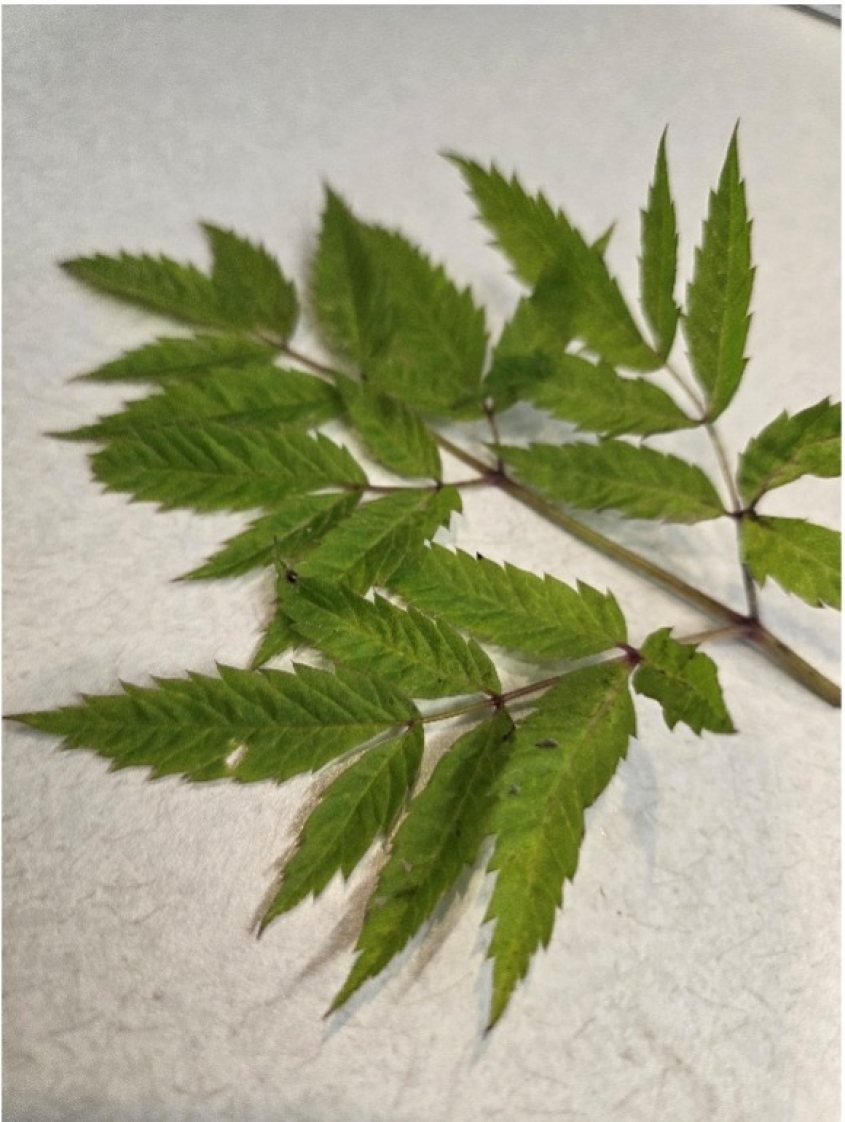
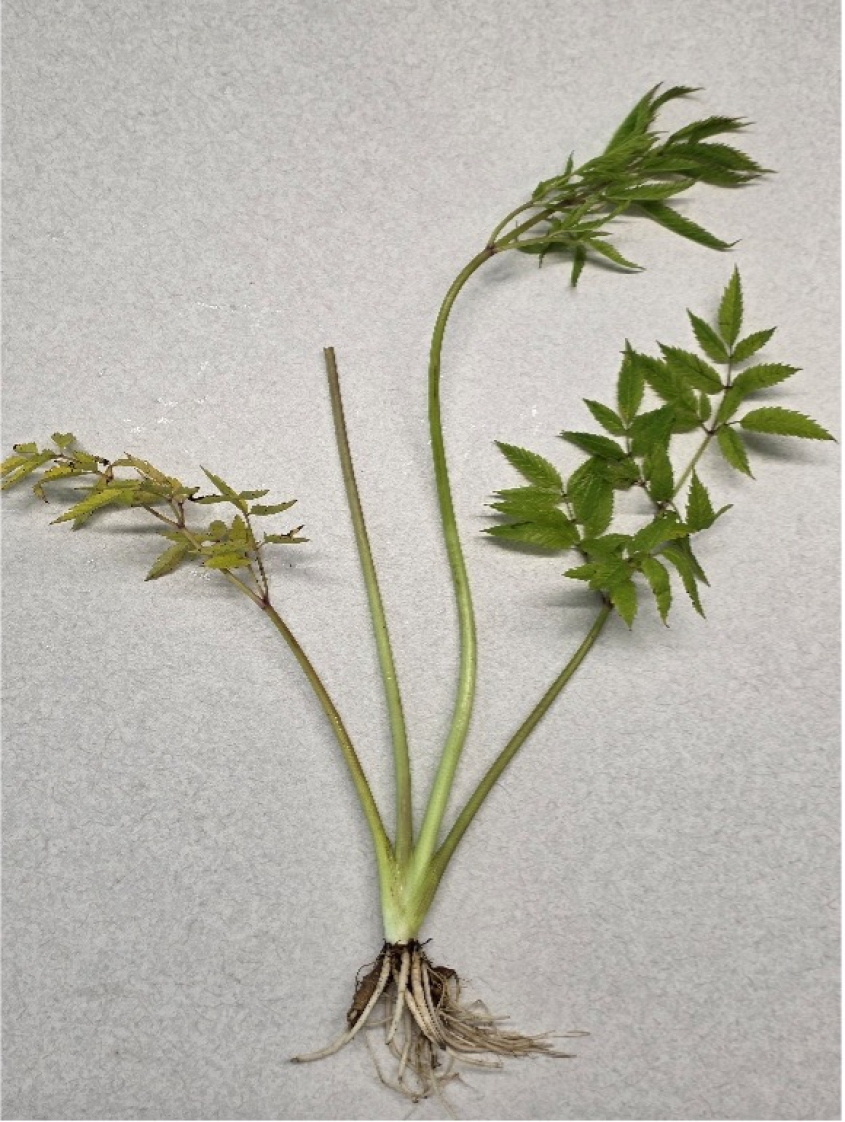
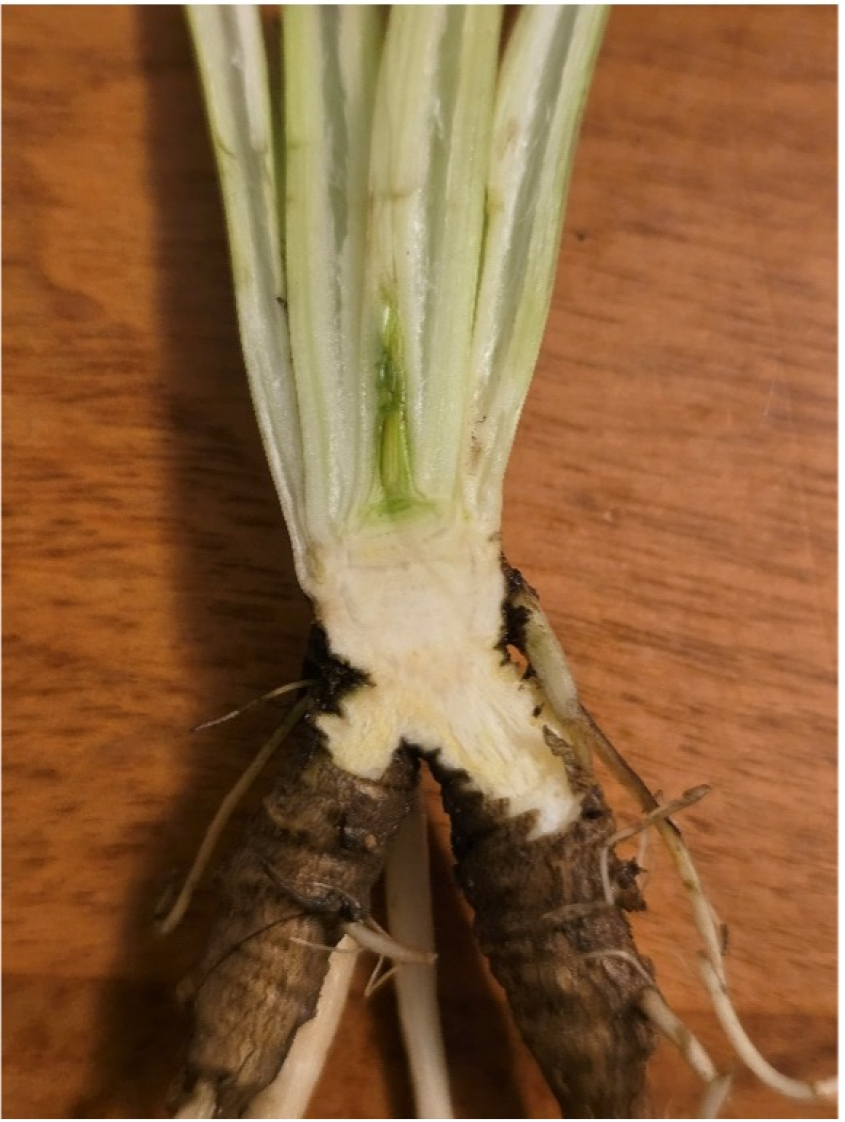
Images 1-3: Wild water hemlock in situ in Ithaca NY
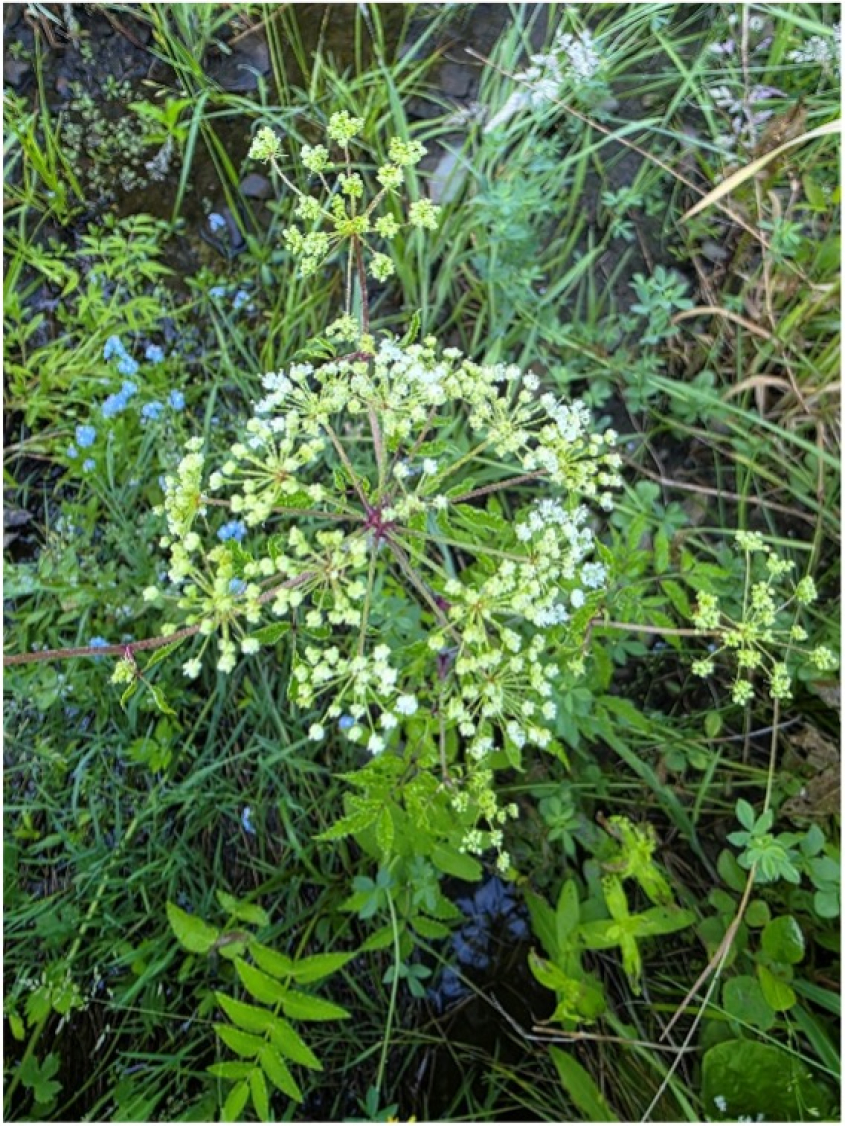
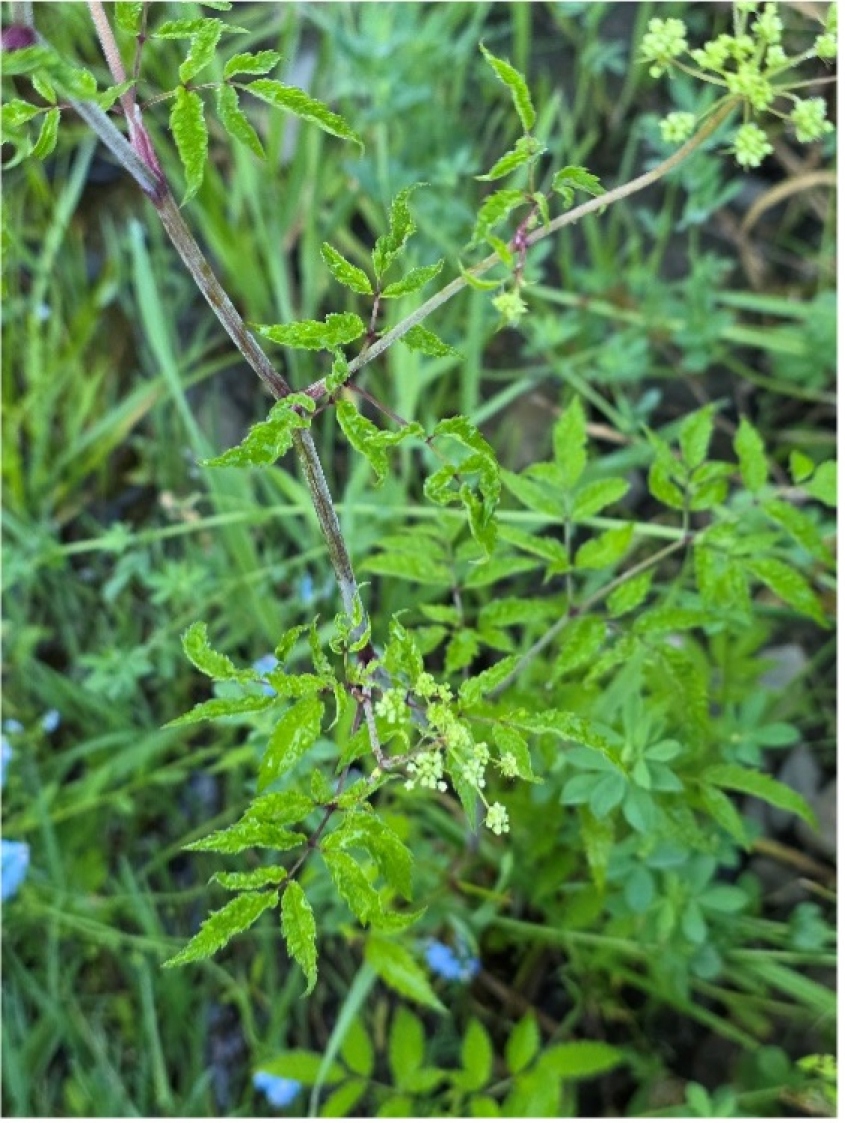
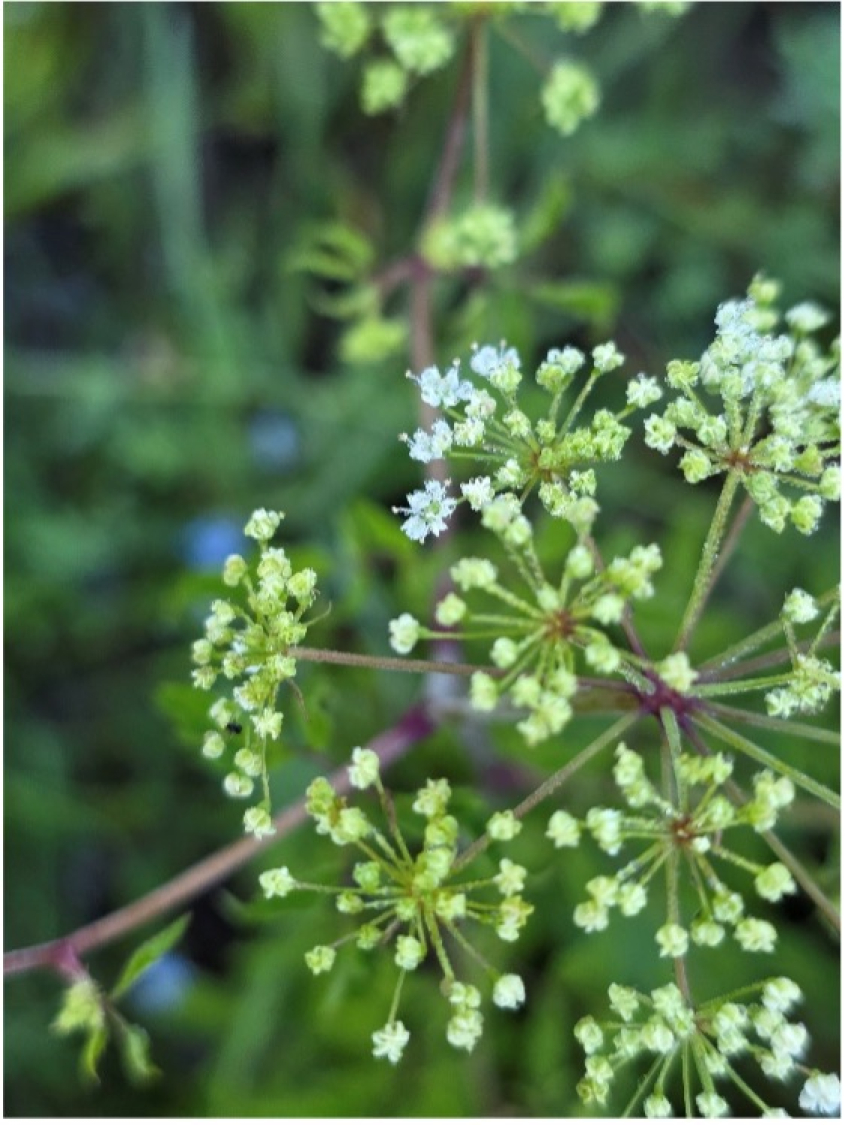
Images 4-6: Cultivated water hemlock in the Weed Science Teaching Garden, Cornell University, Ithaca NY
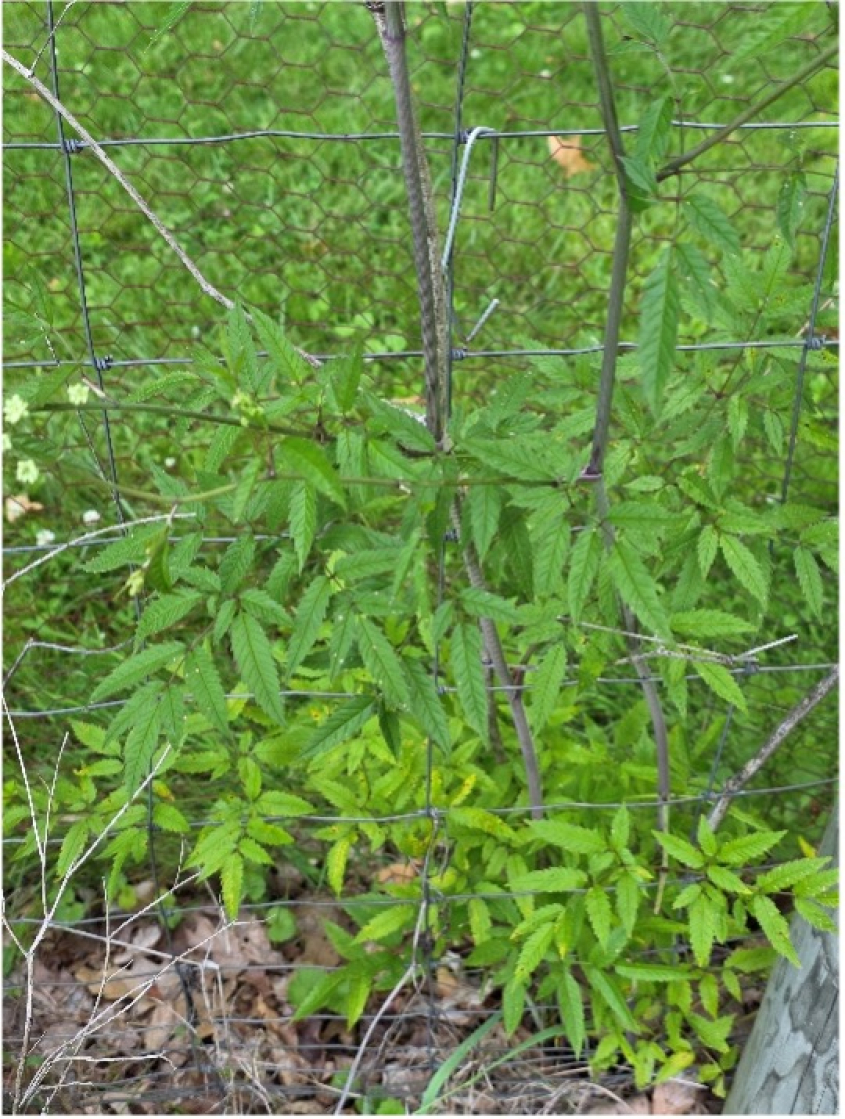
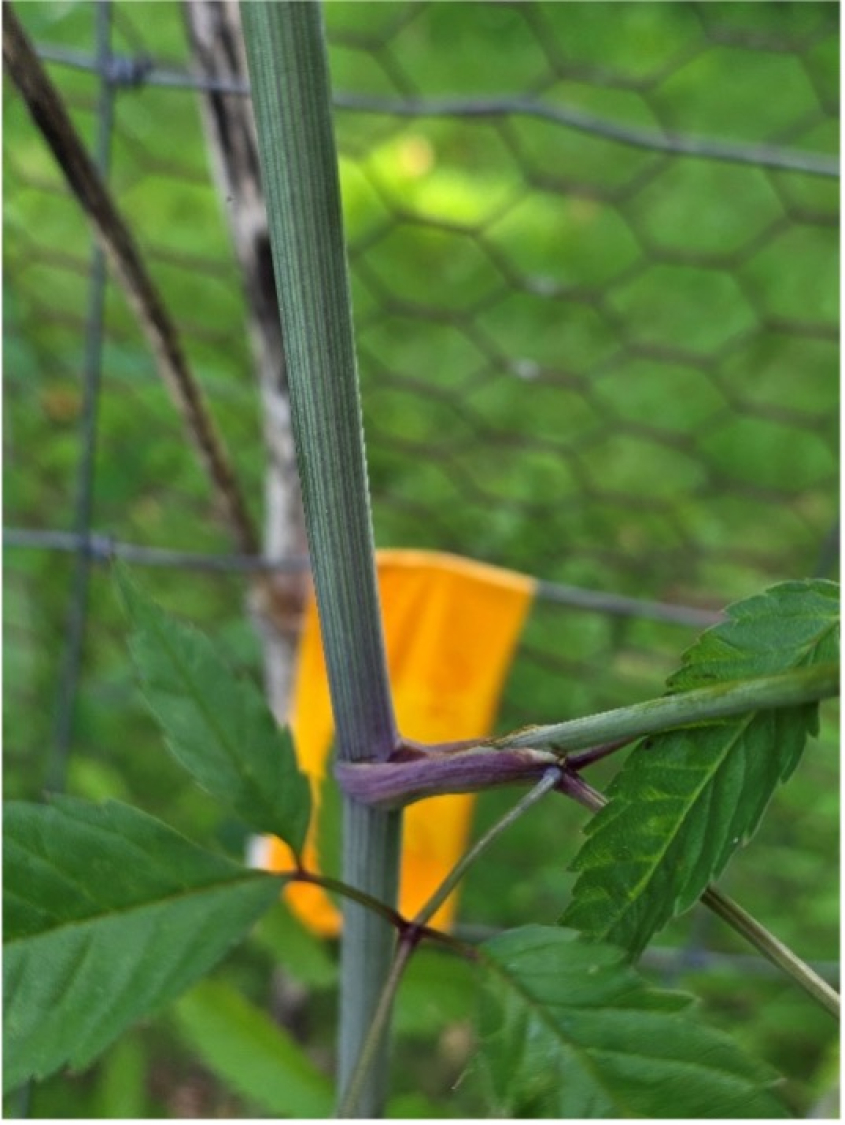
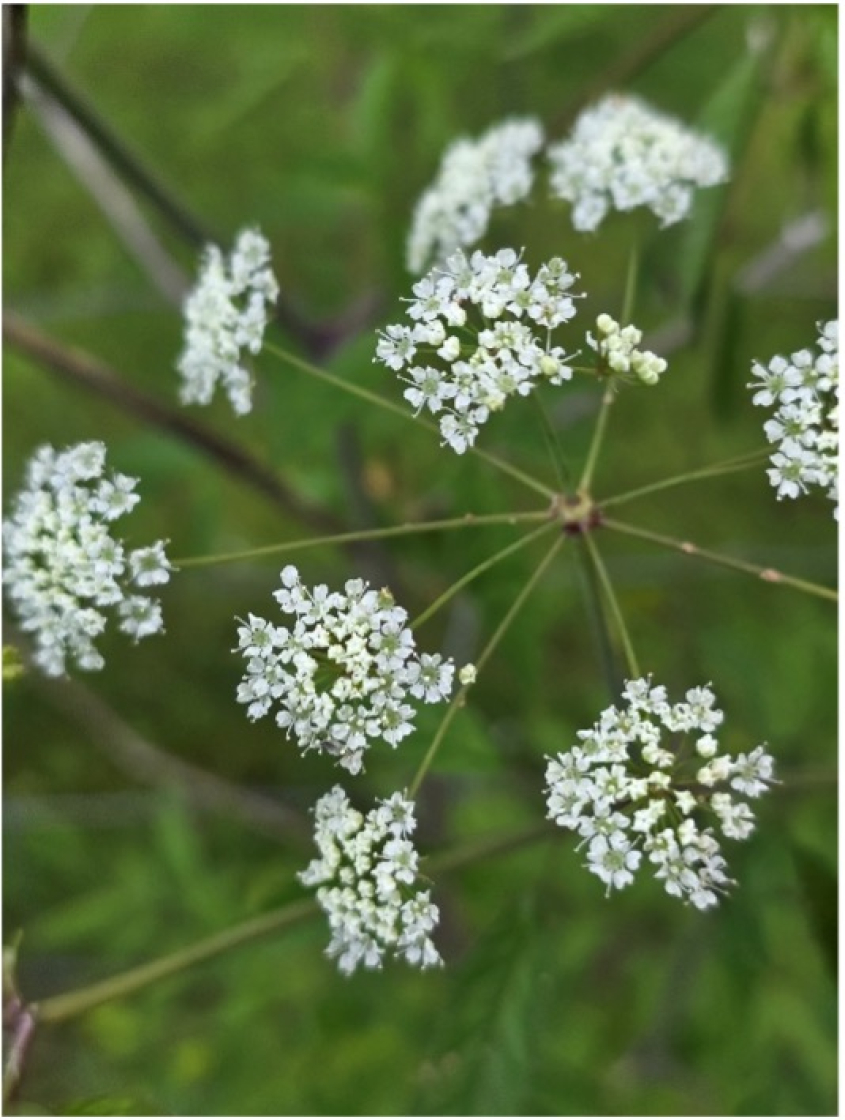
Images 7-9: A close-up of the pinnately compound leaves with venation pattern and tuberous root.