

Two CVM faculty named NIH Health and Extreme Weather scholars
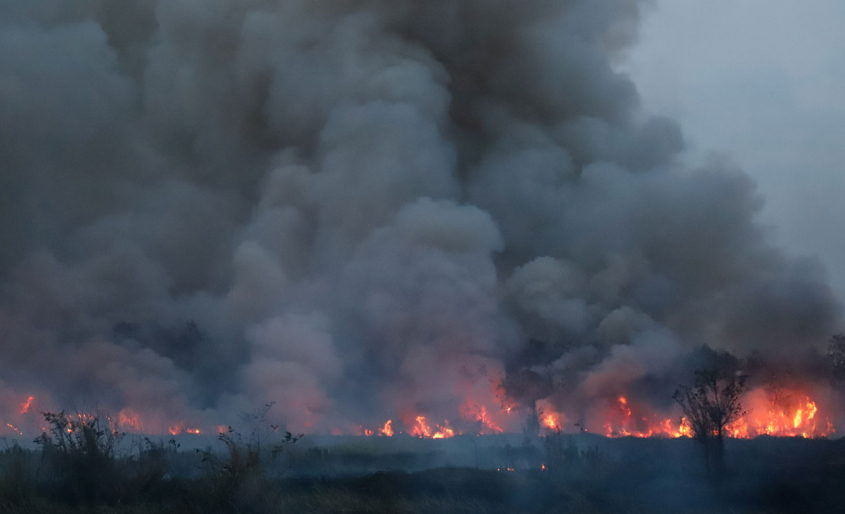
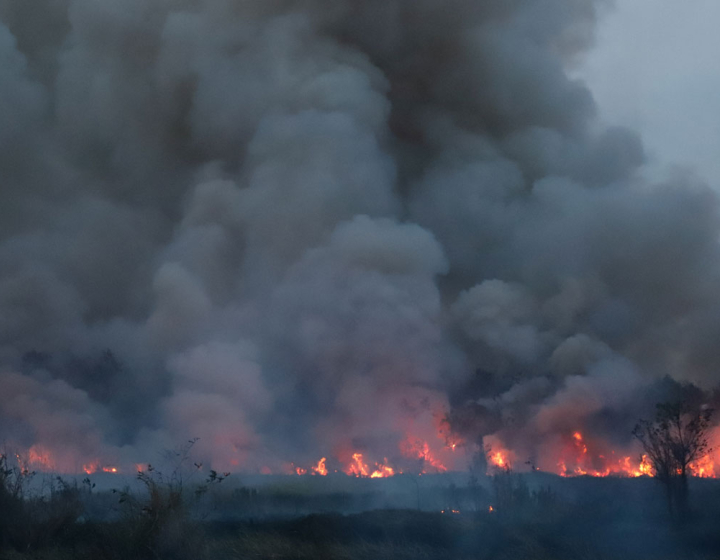
Photo: Adobe Stock
Two faculty members, Dr. Ana Bento and Laura Smith '07, Ph.D.'16, both with the Department of Public and Ecosystem Health, have been selected as 2026-2027 NIH Health and Extreme Weather (HEW) scholars. The ten-person cohort, launched in November 2026, will collaborate with the NIH to share knowledge and expertise as well as helping identify and address critical gaps in research.
Details on each scholar are below:

Dr. Ana Bento, assistant professor in the Department of Public and Ecosystem Health
Host NIH Institute: National Institute of Allergy and Infectious Diseases (NIAID)
Bento is an infectious disease eco-epidemiologist; her research asks why some pathogen introductions become outbreaks while others fade out, and how weather extremes, reservoir and vector ecology, land use, and human behavior shape where and when diseases emerge and spread. Her group couple’s surveillance, ecological, and genomic data with mechanistic models to forecast risk and guide prevention. Oropouche virus risk maps developed by her team are in use by the Brazilian Ministry of Health, and her chikungunya findings informed vaccine rollout planning with the Ministry and PAHO. As director of Science for The Rockefeller Foundation’s Pandemic Prevention Initiative, she designed the foundation’s weather and health strategy focused on extreme heat. She is co-principal investigator and Data and Modeling Core lead of the NIH P20 Center for Transformative Infectious Disease Research, serves on the WHO Infectious diseases modeling group, and previously chaired the Disease Section of the Ecological Society of America. She holds a Ph.D. in Ecology and Evolution from Imperial College London.
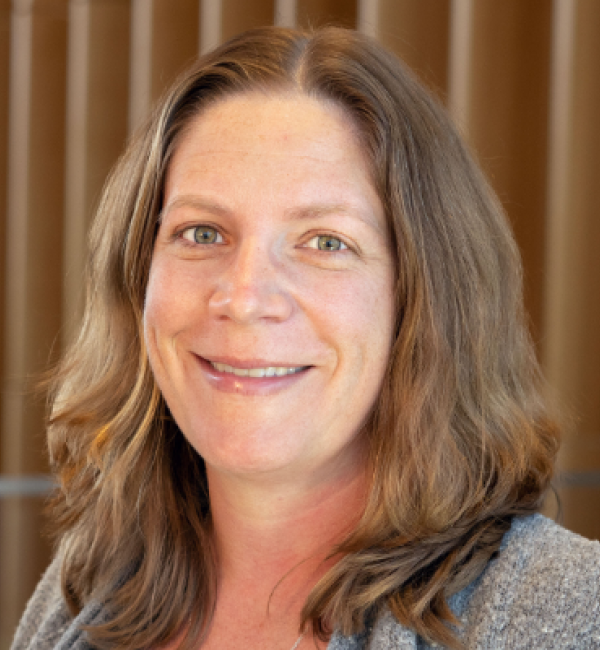
Laura Smith '07, Ph.D.'16, assistant professor in the Department of Public and Ecosystem Health
Host NIH Office: Office of Nutrition Research
In addition to being assistant professor in the Department of Public and Ecosystem Health, Smith is science director of the Zvitambo Institute for Maternal and Child Health Research in Zimbabwe. An interdisciplinary public health researcher, she studies how extreme weather and environmental change affect health through food systems, nutrition, infectious disease, and mental health. She leads a Wellcome Trust-funded project on child malnutrition in Zimbabwe and a Wellcome Trust study integrating mental health into policy, working with Zimbabwe’s Food and Nutrition Council to turn evidence into adaptation planning. She is co-PI of the data modeling core of the NIAID-funded CTIDR Center and serves on the Advisory Committee for Zimbabwe’s Health National Adaptation Plan. Smith holds a Ph.D. in International Nutrition from Cornell University.
The NIH HEW Program aims to “support research to increase understanding of how extreme weather, including weather-related natural disasters and emerging weather-related harms, impacts human health. In addition to understanding mechanistic processes, the program prioritizes research to develop, test, implement, and evaluate interventions and prevention strategies that protect the health of communities and those at heightened risk for mortality, chronic disease, and lifelong health risks.
The program also prioritizes research connecting health and environmental data, training and capacity building, community engagement, research translation, and collaboration. Furthermore, the program aims to promote gold standard and collaborative science across relevant fields, including biological sciences, atmospheric science, health economics, implementation science, and other disciplines.”