



New World screwworm
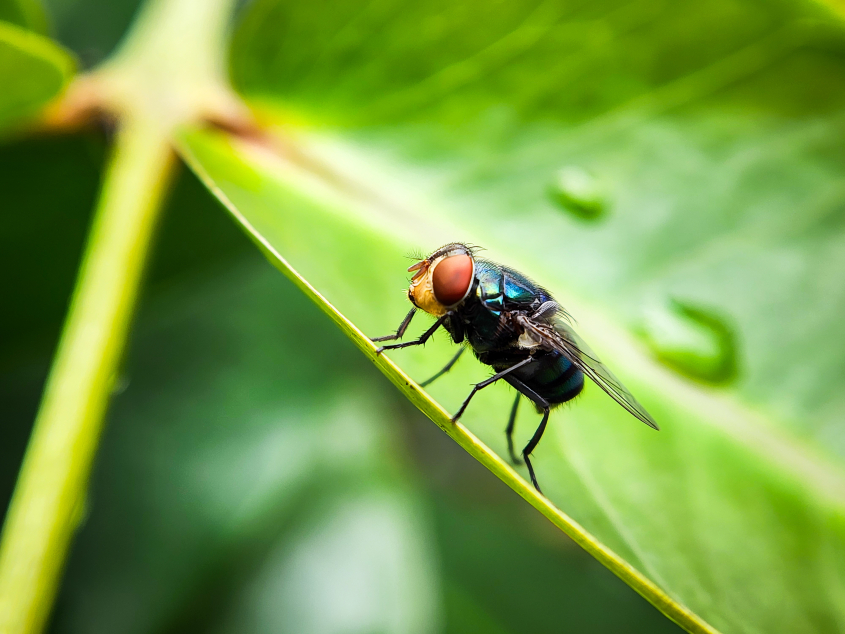
The United States Department of Agriculture (USDA) recently confirmed cases of New World screwworm in calves in Texas and a dog in New Mexico, marking the first U.S. detections in decades.
New World screwworm is a parasitic fly whose larvae (maggots) invade healthy living tissue, unlike typical maggots that feed on dead tissue. Infestations can cause painful, rapidly worsening wounds in pets, livestock, wildlife and, rarely, people.
Screwworm was previously eradicated from the United States in 1966, making any new detection a significant animal health concern. While the current risk to most pets remains low, awareness and early detection are important. Contact your veterinarian if your dog develops a wound, if a wound is not healing normally, or suddenly worsens, develops a foul odor, drainage, or visible maggots.
Year-round veterinarian-recommended parasite prevention is an important component of keeping your pet healthy. Permethrins, such as K9 Advantix, repel flies. Isoxazolines, such as NexGard and Credelio, can kill the larva. Talk to your vet about what parasite prevention is right for your dog.
All confirmed cases should be reported to the USDA. You can find out more about this important canine health threat by visiting:
This page was last updated on Tuesday, Jun 09, 2026


