



Traveling safely with your dog: cars, planes and pet-friendly stays
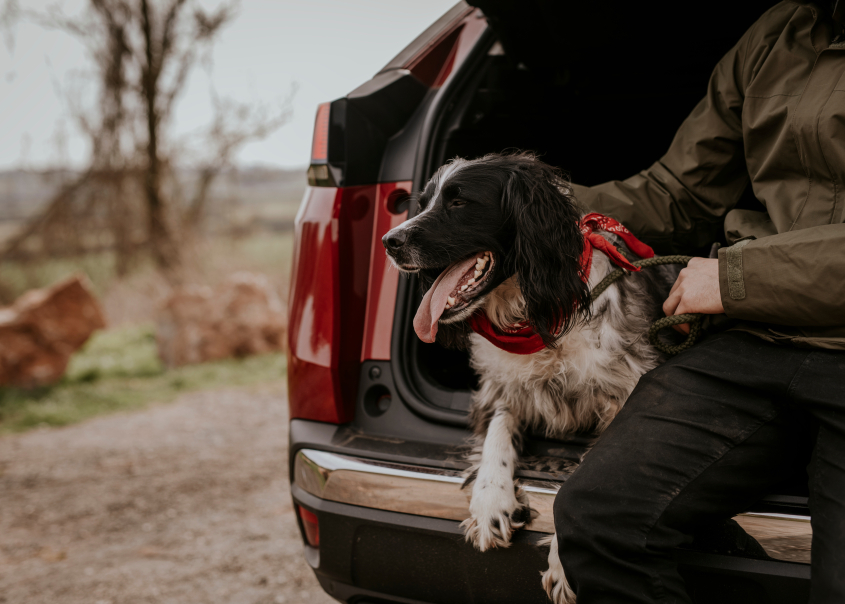
Traveling or vacationing with your dog can be a fun and rewarding experience, but there are several things to consider before heading out. Thoughtful preparation to ensure everything runs smoothly and keeps them safe and comfortable can make the difference between a fun and joyful trip and one that is stressful or even dangerous. Early planning and awareness of the risks are essential to help your dog stay safe, comfortable and happy on the road or in the air.
Car travel with dogs
Most pets will experience car travel at some point, making early acclimation essential. While some dogs acclimate to car rides within a week, others may take a few months to become comfortable. The sooner you start practicing, the better.
Before driving with your dog, ensure they are safely secured in the vehicle. Avoid allowing your dog to roam freely in the car. Loose pets are a distraction to drivers and are at risk of injury in the event of sudden stops or accidents.
Securing your dog safely in the car
The safest way for your dog to travel is in a crash-tested harness, seat belt, or travel crate (see recommendations from the Center for Pet Safety). These products are designed to keep your dog secure and reduce the risk of injury in the event of a sudden stop or collision.
If a crash-tested option is not available, secure your dog’s carrier on the floor behind either front seat. This position offers the most protection in case of an accident.
Dogs should never ride loose in the open bed of a pickup truck. Even at low speeds, they are at risk of falling, jumping out, or being ejected in a crash.
Avoid letting your dog stick their head out the window while driving. This common habit puts them at risk for eye injuries from flying debris, ear damage, or even being thrown from the vehicle during a sudden stop or crash.
Remember to never leave your dog unattended in a car, especially in warm or cold weather. Even on mild days, temperatures inside a car can rise rapidly and become deadly.
Acclimating your dog to car rides
As with any training, it's important to move gradually at your dog’s pace to ensure a positive experience. Adjust the training time based on your dog's response. Training sessions should be kept short and fun for your dog (eg, 5-10 minutes at a time).
Start by introducing your dog to the crate or carrier you will be using in the car with positive reinforcement with their favorite treats. For more details on how to crate train, refer to this resource from the American College of Veterinary Behaviorists.
If your dog becomes anxious at any point in the training, you are likely progressing too quickly and need to slow down. However, if you feel you are not getting anywhere, and your dog seems to be struggling, consider consulting a veterinary behaviorist or a qualified humane trainer early in the process for additional help.
When ready to introduce them to the car, begin with short rides (even just out the driveway, down the street, or to a nearby park) before you attempt longer trips.
Once you can take longer car rides, engage your pet in physical activity before the trip to help them relax during the ride. Plan for frequent stops to allow your pet to stretch, relieve themselves and hydrate.
If your dog is anxious when traveling, talk to your veterinarian about calming aids or medication that may help. Your veterinarian may also refer you to a veterinarian specialized in behavior. If your dog struggles with confinement, new environments, or travel-related anxiety, and you are having difficulty progressing with your training.
Motion sickness and vomiting when traveling
Many dogs, especially puppies, will experience nausea or motion sickness when traveling. To help decrease motion sickness, avoid feeding your pet 4-6 hours before travel to reduce the risk of nausea.
If your dog drools or vomits when traveling, talk to your veterinarian about anti-nausea medication to give a few hours before your next trip.
Air travel with dogs
Whether you plan to take your dog on a flight for vacation or to relocate to a new home, there are several factors to consider before booking the trip. Flying presents unique challenges and, while rare, potential health risks, particularly when dogs travel in the cargo hold. Dogs can travel in the cabin or cargo hold, depending on their size and the airline’s policies. Small dogs often ride under the seat in a carrier, while larger dogs may need to be checked as cargo.
Plan ahead
If you are flying with your dog, research the required documentation and airline policies well in advance of your anticipated travel date.
Check airline policies and required documentation
Before booking your flight, you must be aware of your airline’s specific pet travel requirements. Each airline has its own policies, and missing any required documentation can result in being denied boarding.
Airlines also require an approved pet carrier, and the requirements differ depending on whether your pet is traveling in the cabin or cargo.
Cabin travel: Pets must be in a soft-sided, well-ventilated carrier that fits under the seat in front of you. The airline will have specific approved measurements, so be sure to check this before using any carrier you have lying around at home. The pet must remain in the carrier for the duration of the flight.
Cargo travel: Airlines require a sturdy, hard-sided crate that allows your pet to stand, turn around and lie down comfortably. The crate must have adequate ventilation, secure latching and appropriate labeling.
Health certificates for international or interstate travel
Traveling across state lines or, more importantly, internationally, requires a veterinary health certificate (Certificate of Veterinary Inspection). These have strict timing requirements, most often within 10 days of travel. However, some portions of the health certificate will require more time and preparation, so it is crucial to research the requirements for your planned destination well in advance to avoid a last-minute scramble or being unable to bring your dog with you at all.
International health certificates can be complicated, sometimes requiring USDA endorsement. Only certain veterinarians (USDA-accredited) can complete them, and the cost varies depending on the complexity of the paperwork. Incorrect or missing paperwork can result in your pet being denied entry, quarantined, or sent home at your expense. Plan well in advance to avoid a last-minute scramble.
Understand the risks of air travel with dogs
It is important to recognize that the cargo area of an aircraft can be quite stressful to dogs and also poses serious safety risks. When a dog travels in cargo, they are checked in, then the handling crew transports them to the aircraft, transfers them between flights if there is a connection, and then delivers them to the destination.
While incidents are rare, injuries and even death while flying in cargo have occurred. (see Department of Transportation's Air Travel Consumer Reports). The breeds at greatest risk include short-muzzle breeds (brachycephalic), such as Bulldogs, as well as those with underlying medical conditions, such as heart or respiratory disease.
The stress of being in cargo can cause pets to try to escape their crates while in a panic, or cause injury while chewing on the crate or scratching, leading to broken teeth, oral injuries, broken nails, or paw pad injuries, or even swallowing pieces of their crate, leading to serious gastrointestinal issues.
Even when flying in the cabin, the sounds of the plane, the experience of the plane’s acceleration, lift-off, landing and pressure changes can be stressful for a dog. While anti-anxiety medications may sometimes be prescribed for travel, dogs should never be tranquilized as this can suppress breathing and can lead to serious health complications during flight, particularly if in cargo unattended.
Hotels and dogs
Before booking, consider whether bringing your dog is truly the best choice:
Is your travel destination truly dog-friendly? Will there be plenty of safe walking areas? Will you be able to include your dog in your activities? If your itinerary involves long days away from the hotel, your dog may be happier staying home with a trusted sitter.
If you are ready to book your vacation with your dog, look ahead to find pet-friendly lodging and activities in the area to ensure the vacation will be a good fit for you and your dog. Confirm pet policies for hotels, rentals, or campgrounds before booking. Make sure to ask about any extra fees for bringing your dog, house rules and safe walking areas. Bring a crate or a baby gate to prevent damage and provide your dog with a secure space.
Dogs generally should not be left alone in a new hotel room until they’ve had a chance to settle in, usually at least the first 24 hours, depending on their temperament. In particular, dogs with a history of separation anxiety may not be able to be left alone in a hotel room at all for their own safety, and to avoid potential destructive behavior and barking that could result in hotel fines.
Maintain some routines while on vacation
Dogs thrive on routine, and while novel experiences are also enriching, maintaining some semblance of their normal routine can help minimize potential stress if vacation days are jam-packed with activity.
- Stick to their normal feeding and walking schedule as closely as possible.
- Offer frequent breaks to stretch, sniff and hydrate during road trips.
- Bring items of comfort and familiarity from home.
- Make sure they have opportunities for rest and uninterrupted sleep.
Packing essentials
- Enough food for the trip (plus extra)
- Portable water bowl
- Medications and supplements, if any
- Vaccine records and a medication list (digital or paper copy)
- Leash, collar with ID tag and updated microchip info
- Comfort items: blanket, bed, or toys
- Waste bags and cleaning supplies
- Portable crate if your dog is crate-trained
- Your dog’s health certificate and/or airline documentation, if required
Emergency planning
- Ensure your pet is microchipped and has an ID tag with up-to-date contact information.
- Bring copies (digital or printed) of your dog’s medical records, including up-to-date vaccination records.
- Have contact information for veterinary clinics along your route in case of emergencies.
This page was last updated on Tuesday, Jan 13, 2026


