
More Than Milk: Lessons from the Mongolian Steppe
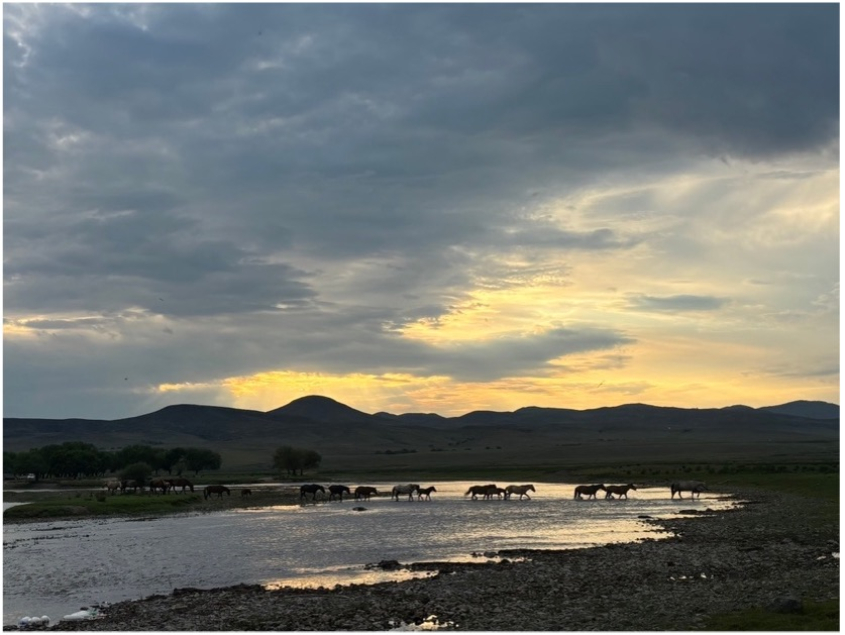
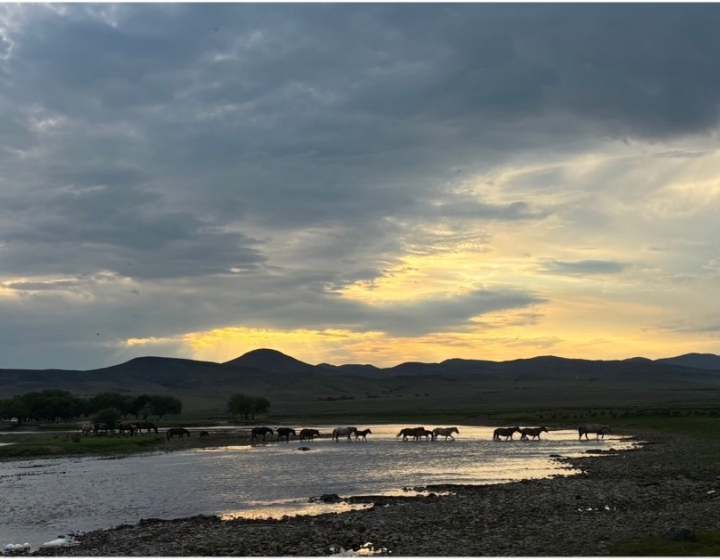
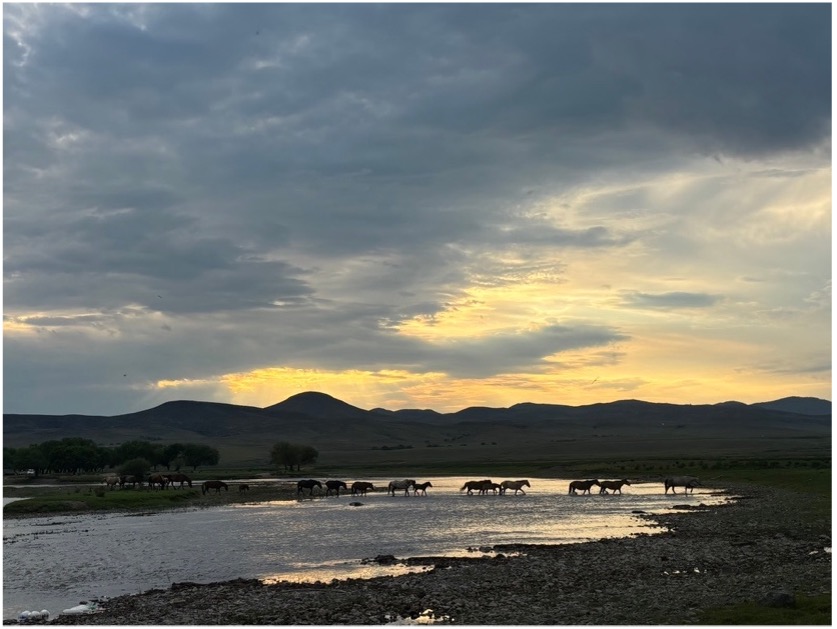
Horses sighted moving across a river while camping out on the steppe. Photo provided.
During the past two months, I have been part of the daily operations at a veterinary non-governmental organization (NGO) located in Ulaanbaatar, Mongolia. This organization has several initiatives that involve engaging with communities and providing trainings where access to veterinary care and education is limited. This includes providing hands-on training to Mongolian farmers and veterinarians to build skills and expertise. Through the NGO program, foreign professionals work alongside local veterinarians to offer teaching and guidance to improve animal health and food animal production processes.
Milk Quality Testing
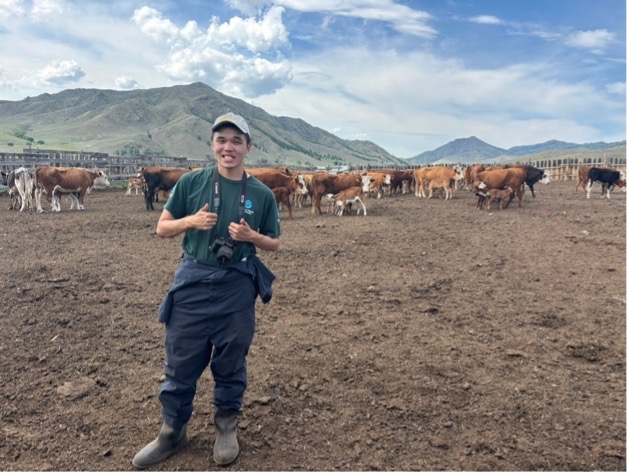
The project that I came to Mongolia to work on, funded in part by Cornell’s Expanding Horizons program, involved providing milk quality testing services to local dairies around Ulaanbaatar and the Central Tuv province. Milk quality testing is important in detecting mastitis in cows, which when left undetected can negatively affect the production, welfare, and health of dairy operations. Up until this point, there has been no large-scale documentation of milk culturing results for dairies in the local vicinity. My primary supervisors and teachers during the project were Drs. John and Laurie Day, two dairy veterinarians who practiced for many years in Idaho, also running a milk quality analysis laboratory there.
Under their supervision, myself and a small team of Mongolian vets and drivers would travel by Buhanka van, a rugged and iconic vehicle built to traverse the bumpy countryside roads, to visit dairy farms throughout the region. We would try to get to each dairy prior to the morning milking routine, which required us to leave our apartments before 4 a.m. to sample on time.
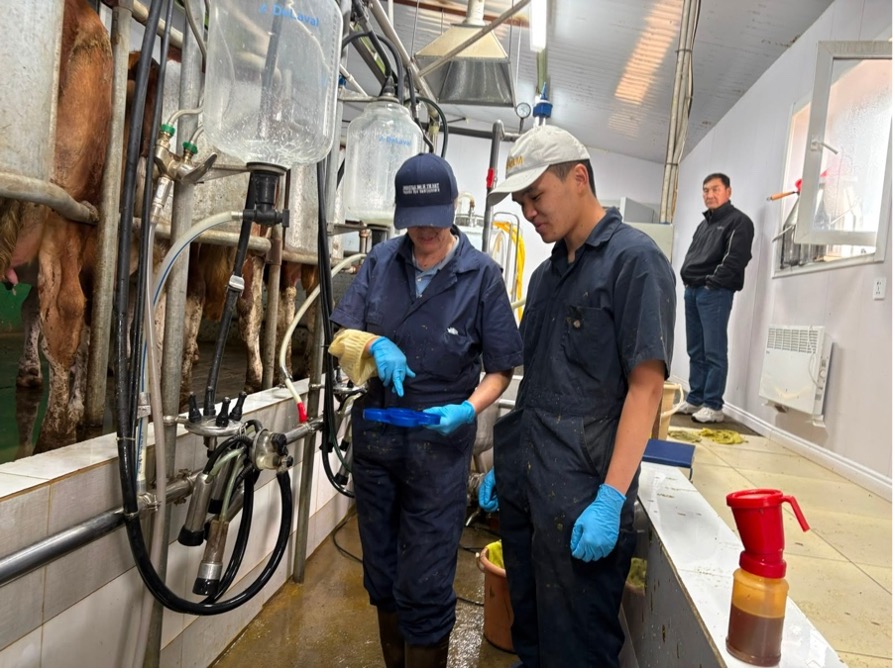
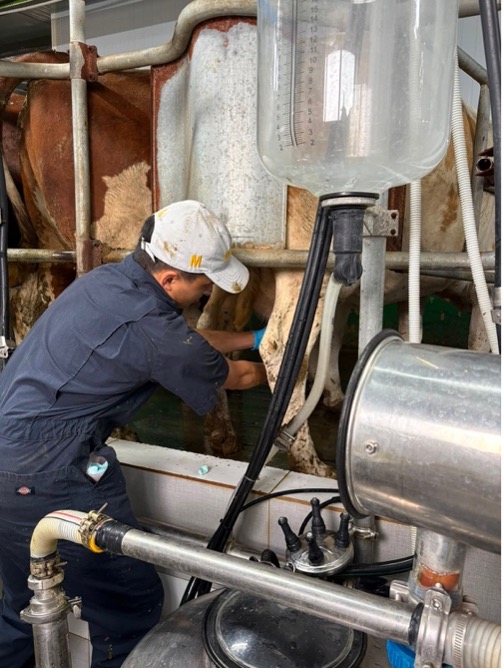
When collecting samples, it was important that we followed a strict sample collection protocol to ensure that the samples we collected were not contaminated by feces, dirt, or our own hands. This was difficult to do with lots of swinging tails, defecating cows, and water splashing around us! After sample collection, we placed all our milk sample vials into transportable ice coolers and drove all the way back to the main clinic location. Depending on timing, we either placed the vials in freezers or prepared to culture the samples on bovine blood agar plates. In the end we were able to collect around 300 samples from six dairies in the surrounding area, streaked samples on plates, then incubated our samples on blood agar using a repurposed old refrigerator.
Veterinary Continuing Education
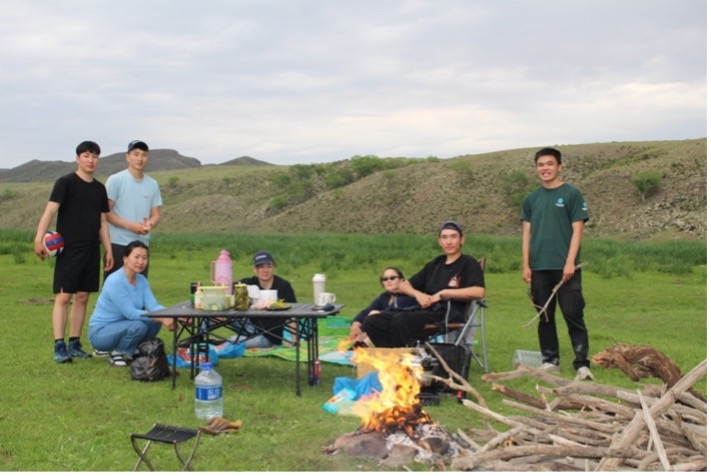
One of the biggest things that I learned on this trip was how effective continuing education can be in fostering relationships, improving veterinary practice, and preserving unity between herders, veterinarians, and visiting professionals. Visiting veterinarians here in the capital city of Ulaanbaatar make frequent trips using old Russian vans, traveling along country roads to visit and train young animal handlers and vets living in the countryside. Interns from the countryside also come to the city to learn during a six-month postgraduate program. When out in the countryside with the interns, we would sit eating Mongolian mutton khorkhog and drinking fermented mare’s milk. Many songs were sung by Mongolians about Mongolian horses and the steppe, and the only appropriate reciprocation that us Americans could think of was a rendition of John Denver’s “Take Me Home, Country Roads.”
The purpose of these trips is not simply to equip and train, but also to fellowship and get to know the people we visited. During many of these trainings, herders come from all over the country, from areas bordering Russia to villages out in the Gobi Desert, and most are eager to learn more about veterinary medicine so that they can support their livestock and be of service to their communities.
Foot Mouth Disease and Biosecurity
Early in my time here in Mongolia, one unforeseen obstacle that became increasingly apparent was the spread of resistant strains of foot-and-mouth disease (FMD) in the Mongolian countryside. FMD is a highly contagious and devastating viral disease affecting sheep, cattle, goats, and pigs. Because of how contagious the disease is, strict biosecurity measures were enforced in regions where the disease was detected. In a few soums (administrative zones), new strains of FMD were detected, which meant that there were strict quarantine measures and travel restrictions for both people and animals. In many cases, animals needed to be culled to prevent further transmission of the disease.
Due to the nature of the sample collection we were doing, this new development required us to be extremely cautious and careful about our travel plans around the countryside. Although we desired to obtain samples from as big of an area of farms around Mongolia as we could, the spread of FMD limited our sampling area to regions closer to the Central Tuv and Ulaanbaatar area. Even within this area, it was imperative that our boots, clothing, and tools were all thoroughly scrubbed and disinfected following each visit to a farm. During one of our visits to a polytechnic school north of Ulaanbaatar, the students did an exercise drawing what a “sick cow” looks like based on its clinical presentation. It was encouraging to see that these students, having spent much time in the countryside working as herders, clearly recognized and were able to draw the telltale signs of foot-mouth disease in their livestock.
Mongolian Hospitality
During this trip, I had the privilege of experiencing the famous Mongolian Naadam, a nationwide festival involving horse racing, archery, and Mongolian wrestling. During the holiday, the entire city empties to flock to the countryside and enjoy countryside living in Mongolian gers (yurts), never-ending supplies of grilled meats and milk, and the comforts of family and livestock. I was welcomed into the homes of one of the Mongolian veterinarians and spent about two days with them in the countryside.
There was nothing more breathtaking on the trip than getting to wake up, open the ger door, and see vast open stretches of grasslands unfolding all around me, with no city or people in sight. Each day, I would help the family milk the mares, cook local dishes, and herd cattle using Mongolian motorcycles. The Mongolian way of life moves at a slower pace out there, but the very same love for animals, steady work ethic, and enjoyment of good food can be something quite universal.
Takeaways
I embarked on this trip with several goals: to sample a certain number of cows, culture a certain number of plates, and reach a certain level of confidence in my veterinary skills. Mongolia taught me that sometimes you can’t measure the value of a summer or a moment simply by how much you “did” or “learned” on paper. People in Mongolia are incredibly flexible, and always open to a change in plans. My new Mongolian friends taught me to let go of control, embrace the thrill of bumping down a dirt road with no destination in mind, and treasure the moments when we can be present with one another. I remember less of the milk lab test results or anatomy terms than the scenic drives, hearty meals, and kind-hearted people I met in Mongolia. I was so intent on accomplishing a task, that I didn’t realize the way Mongolia had quietly accomplished something in me.
Acknowledgements
Thank you to the Expanding Horizons International Education Program, the Einaudi Center for International Travel Research, and the American Association of Bovine Practitioners for supporting my work done in Mongolia. Special thanks to Catherine and Curtis Cummings, who provided funding through the Expanding Horizons program in memory of their son Garth Cummings.
A huge thank you to all the veterinarians in the U.S. who assisted in my (last-minute) travel preparations: Dr. Daryl Nydam, Dr. George Moore, Dr. Katelyn Carney, and Dr. Amy Vasquez. And a big thank you to all the amazing veterinarians I have had the blessing of working with here in Mongolia: Dr. John Day, Dr. Laurie Day, and all the wonderful veterinarians living and working in the land of the eternal blue sky.
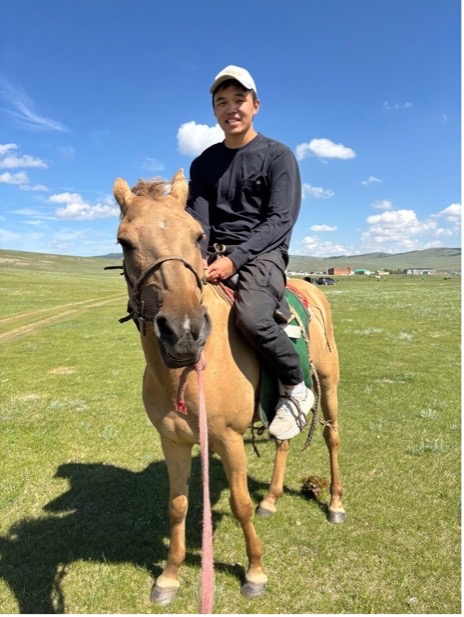
Nicholas Wang is a second-year veterinary student in the DVM class of 2029. He is interested in veterinary public health and population medicine as they pertain to small creatures, large creatures, and human creatures particularly in international contexts.