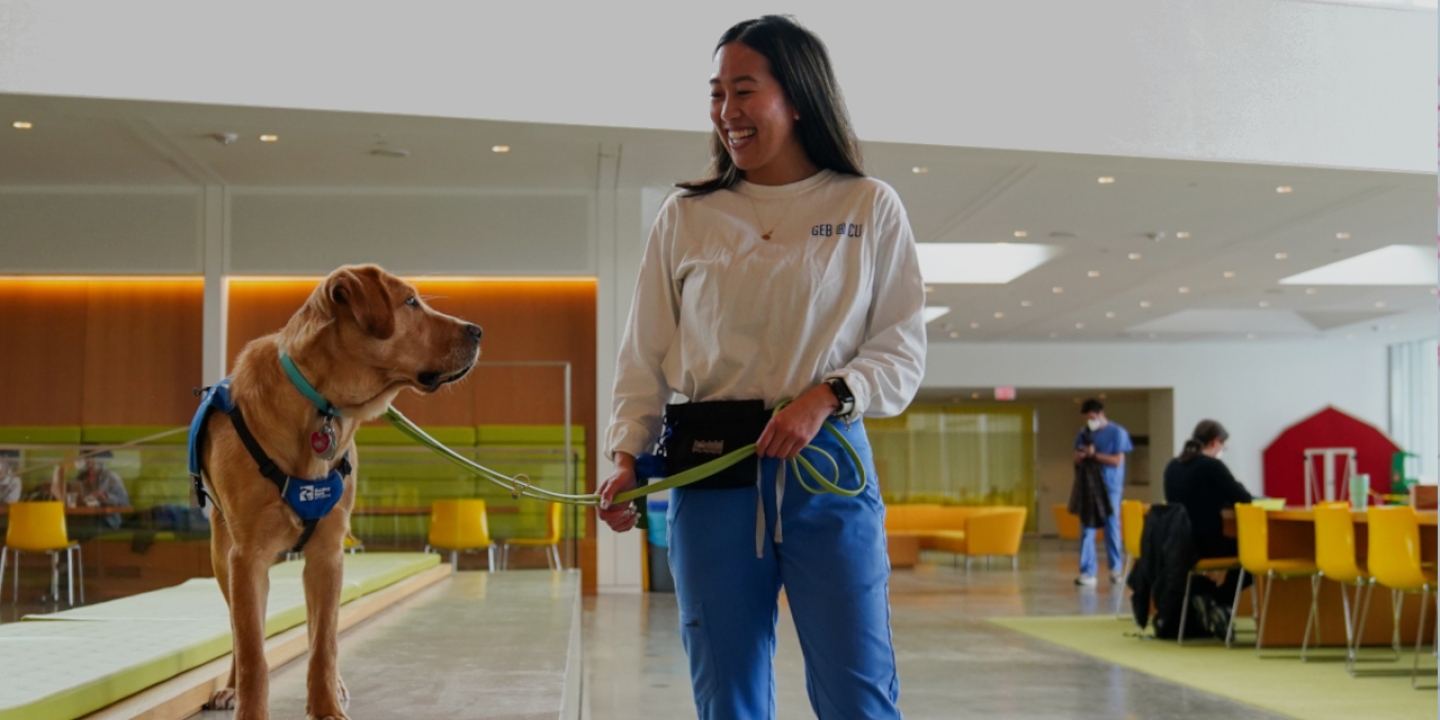
A student walking a guide dog

Types of Aid and Eligibility

Types of Aid

Institutional Aid/College Scholarships

College scholarships are primarily need-based awards that do not need to be repaid. Eligibility is based on information students provide on their CSS Profile application as first-year students, and information on the FAFSA form as continuing students. 

Additionally the college awards a select number of merit-based scholarships, primarily in the third and fourth years, as well as our RED Scholarship which covers full tuition for the third and fourth years. 

A green shoot with coins as roots

Eligibility

To be considered for need-based institutional financial aid, all students under age 30 or unmarried must submit financial information including parental data. Complete parental data is collected on the CSS Profile form, an online application used to award non-federal institutional aid.

CSS Profile FAQs

  1. What information is needed if my parents are together?

    If both parents are together, you need to provide information for both parents.

  2. What if my parents are divorced, separated, or no longer together?

    In this case, you only need to provide parental data for one parent. However, if a parent is remarried, we need their household information and taxes, including the new spouse.

  3. What information is required if I am married?

    If you are married, you need to provide information for your spouse. You can enter zeros for the parental information section.

  4. What if I am recently married?

    If you are recently married, combine tax information for yourself and your spouse. You can enter zeros for the parental information section.

  5. What should I do if I have special circumstances?

    If you have special circumstances, enter this information in the special circumstances section of the CSS Profile. 

Federal Loans 

The federal government considers all graduate or professional students independent of their families. However, due to the federal regulations regarding the Health Professions Student Loan (HPSL) and Loan for Disadvantaged Students (LDS), parental information is required on the CSS profile. If no parental information is provided, the student is NOT eligible for the HPSL, regardless of age or marital status. 

Learn about the Federal Financial Aid Changes affecting graduate and professional students for 2026-27 and beyond.

Types of Federal Student Loans

  1. Health Professions Student Loan (HPSL) and Loan for Disadvantaged Students (LDS):

    Eligibility is based on financial need and funds are limited. Regardless of the student's age or marital status, complete parental data is required on the CSS Profile. The maximum annual loan available is defined as the cost of attendance; however, available funds are usually not sufficient to allow maximum awards. Interest is fixed at 5% during the repayment period, which begins one year after the borrower ceases to be enrolled at least half-time.

  2. Federal Direct Unsubsidized Loans: 

    For new students after July 1, 2026, the Federal Direct Unsubsidized Loan allows DVM students to borrow up to $50,000 annually. During school and periods of deferment, the principal is deferred, but interest accrues from the disbursement date. The interest rate is fixed, and there is an origination fee for the amount borrowed.

  3. Federal Work Study Program (FWS): 

    Wage-subsidy programs for eligible students. The Federal Work Study Program increases opportunities for student employment by reimbursing employers on campus or in certain non-profit organizations off campus 50% of wages paid to eligible students. Eligibility to participate is based on financial need, as evidenced by analysis of the FAFSA. Funds are allocated on a first-come, first-served basis.


Private Loans

Private Education Lenders can provide student loans to help cover education expenses. Cornell cannot recommend any particular lender, but we encourage you to compare lenders and loan terms to select the lender that best fits your needs. Students are responsible for researching and applying for private education loans. You may borrow up to the total cost of attendance, less any financial aid. Download the Student Loan Code of Conduct.

Veterinary Student Employment Program (VETSEP)

The College also offers a wage-subsidy program to students in the professional curriculum employed in certain types of veterinary-related positions within the College. As with FWS, available monies are allocated to eligible students on a first-come, first-served basis.

External Scholarships

To assist students with minimizing borrowing, we have compiled a list of outside scholarship opportunities. While we screen these listings for illegitimate offers, students should review all scholarship information carefully. Never pay money to apply for a scholarship or other funding opportunity. 

U.S. Army Health Professions Scholarship Program

Fund Your DVM with the U.S. Army Health Professions Scholarship Program (HPSP). The U.S. Army offers one of the most comprehensive scholarships in veterinary medicine. HPSP provides full tuition coverage, a monthly living stipend, and a structured pathway into military veterinary service for first-year veterinary students.

Learn more about how to apply in your first year of vet school

Veteran Education Benefits

Veteran education benefits are available to eligible full or part-time Cornell students or employees who are active duty or reserve military personnel, veterans, or, in some cases, the child or spouse of a veteran. Complete the online Application for VA Education Benefits (VA Form 22-1990) to determine eligibility.

Use the secure document upload portal to submit a copy of your Certificate of Eligibility from the VA to our office. 


Non-U.S. Citizens

U.S. students include U.S. citizens, U.S. citizens with dual citizenship, and certain eligible non-citizens such as refugees or asylees. Undocumented students who attended and graduated from a U.S. high school, with or without DACA (Deferred Action for Childhood Arrivals) status, are not eligible for federal aid.

DACA/Undocumented Applicants/Green Card Applicants 

The Office of Undocumented/DACA Student Support provides educational resources and collaborates with community partners to assist undocumented and DACA students at Cornell.

Two surgeons in blue gowns and caps performing a medical procedure under bright operating lights

International Students

International students are not eligible for federal aid. To enroll, they must:

  • Submit a Declaration of Finances
  • Demonstrate ability to fund all four years
  • Provide documentation for visa processing

The Office of Global Learning is the primary resource for international students. Visit their website for additional support and resources.


Budget Changes

If you have unforeseen expenses during the semester and need more money than originally budgeted, you can increase your loans for the unforeseen expenses (if allowable) if you still have loan eligibility. A budget increase form will need to be submitted with back-up documentation. 

To know what constitutes an allowable expense, contact the office at vetfinaid@cornell.edu.

Emergency Funding

Occasionally, students encounter unexpected, urgent expenses related to their educational pursuits. Depending on the circumstances, the Office of Student Financial Planning can provide assistance through grants, scholarships, or student loans. Students should contact vetfinaid@cornell.edu to discuss their options.