


Student Experience
A holistic approach to your training
MS-FTRM students gain career exposure through externships, networking with visiting CoRe seminar speakers, and dedicated career-development forums featuring leaders from academia, clinical medicine, biotechnology, FemTech, animal reproduction, policy, and other sectors. Individual mentoring and professional-skills training help students build the experience, networks, and confidence needed for careers across reproductive medicine, research, industry, clinical practice, and further professional or doctoral training.
Establish a strong academic foundation and find your community
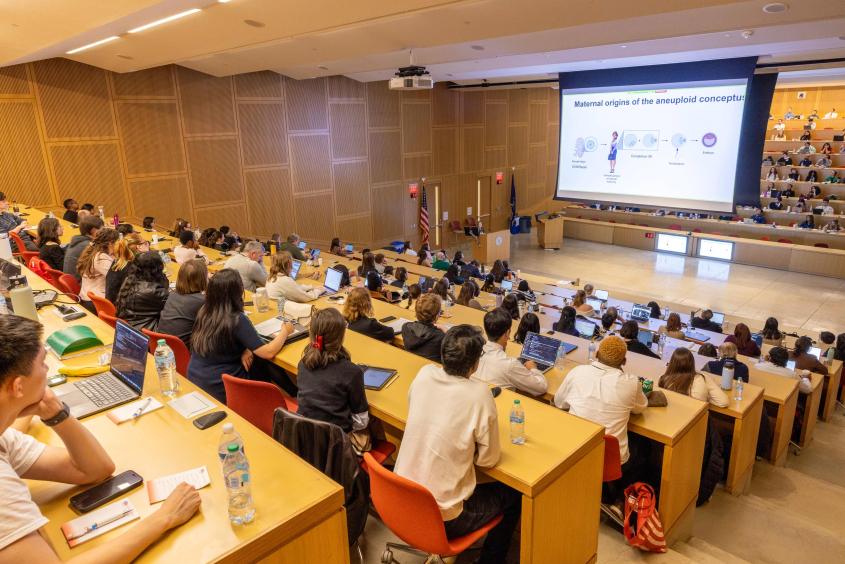
Your experience begins with a shared foundation in the classroom and grows into an original research project in the lab. Along the way, you will learn with your cohort, work closely with mentors, and explore how reproductive science connects to your future career.
Research across the reproductive system
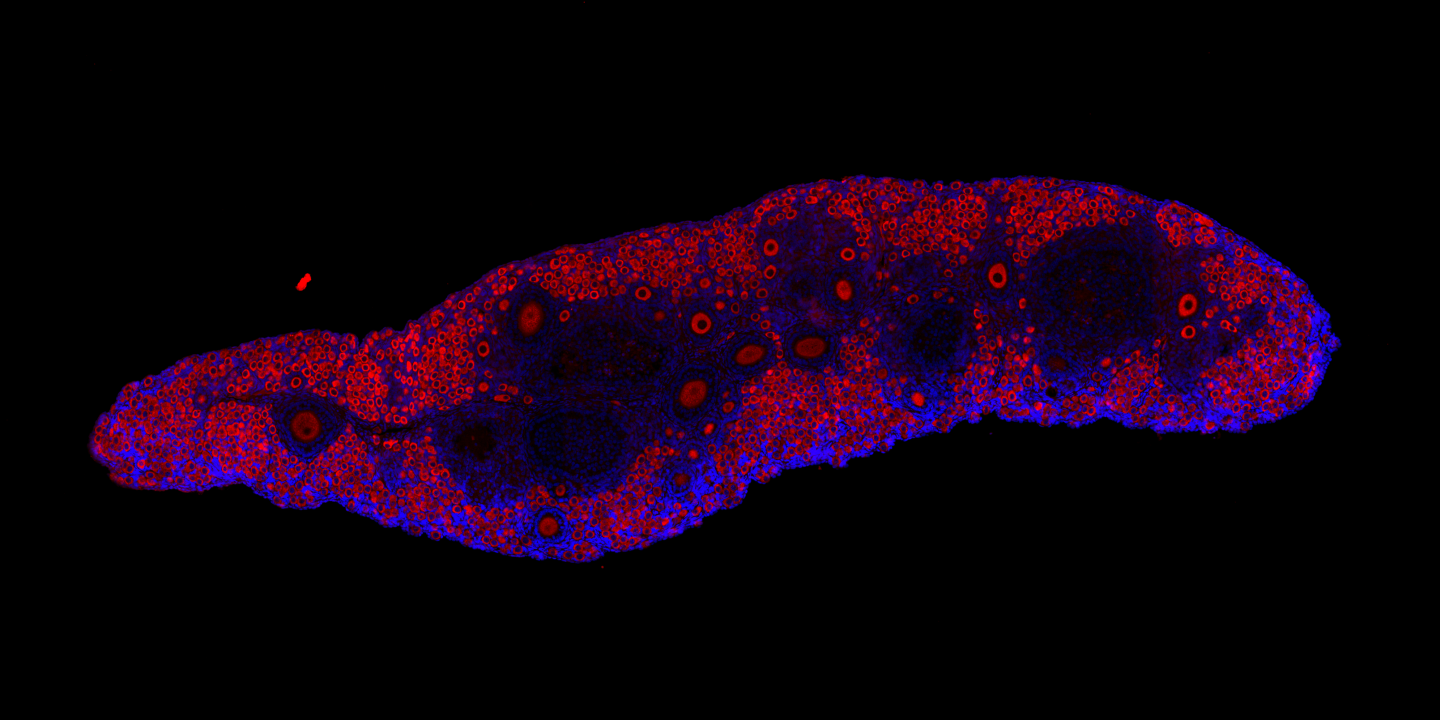
Projects may explore germ cells and meiosis, fertilization and embryos, uterine and placental biology, pregnancy complications and maternal nutrition, reproductive immunology, contraception, reproductive aging, cancers and other disorders, or animal reproduction and conservation. Available projects depend on faculty expertise and capacity.
Mentorship that develops with you
Program advisers help you identify a laboratory and plan your training. Your research mentor and advisory committee guide your project, review progress, and help you develop independence. Professional development and career conversations connect this work to your next step.
What might a day look like
Early in the program, you will primarily be taking courses that teach you the underlying principles of reproductive physiology and how to study it. You might move from a lecture on reproductive physiology to a practical class, then discuss a research paper before a CoRe seminar. During the research phase, you will focus on performing the experiments necessary for your independent research project. Here, your day might include planning experiments with your mentor, collecting and analyzing data, and presenting findings at a lab meeting or even a conference.
About Ithaca and Cornell
Start in Ithaca and connect across Cornell
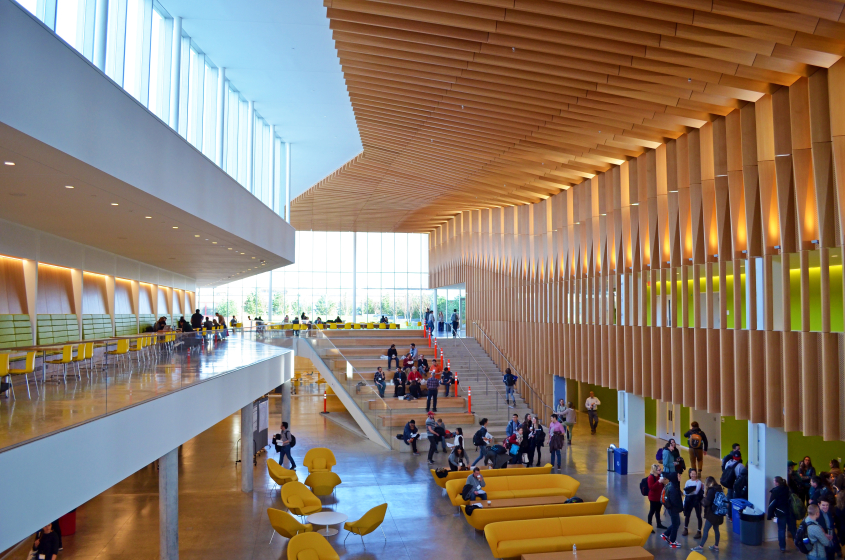
Your first semester brings you to Cornell’s Ithaca campus, where you will build your scientific foundation and get to know your cohort. Based in the College of Veterinary Medicine, the program connects you with reproductive scientists working across Cornell colleges and at Weill Cornell Medicine.
A community organized around reproduction
The Cornell Reproductive Sciences Center (CoRe) brings together researchers with complementary expertise in fundamental biology, human health, and animal reproduction. Its seminars and scientific events create opportunities to learn across disciplines and meet potential collaborators.
This comparative environment helps you explore how discoveries in one species can illuminate another, and how laboratory findings can inform reproductive health, agriculture, and conservation.
Life in Ithaca
Ithaca offers a university community in New York’s Finger Lakes region, with access to lakes, gorges, trails, and outdoor activities. Campus life and the surrounding community give you space to build friendships and interests alongside your research. Read more about life in Ithaca on Cornell's website.

Research at Weill Cornell Medicine
Some students may move to Weill Cornell Medicine in New York City after the first semester to undertake research with an appropriate faculty mentor. Those students remain part of the MS-FTRM cohort through shared coursework and program activities.
Research location depends on the project and mentor match. Discuss location preferences and the practical implications of a move with the program before making plans.
Resources for graduate study
Students can draw on Cornell’s libraries, academic advising, graduate student support, and professional development resources. Program staff can help direct you to appropriate support and campus-specific information. Read more about graduate student experience on Cornell's website.