

Kristy Richards Initiative
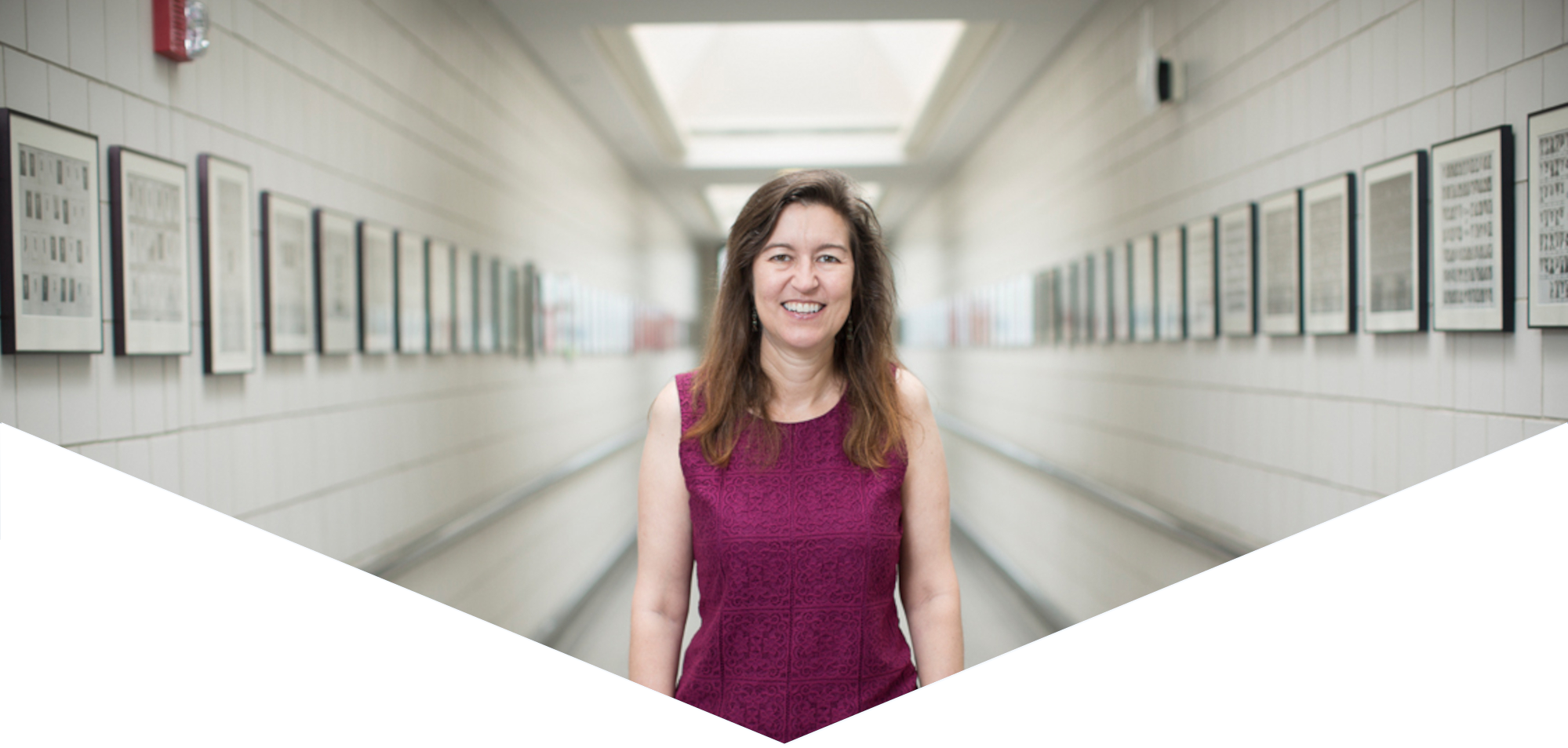
The Kristy Richards Initiative was established in 2023 to honor the legacy of Dr. Kristy Richards, a research oncologist in Cornell University College of Veterinary Medicine's Department of Biomedical Sciences (now the Department of Biomedical and Translational Sciences). Dr. Richards also held a joint appointment at Weill Cornell Medical College and was a passionate advocate for fostering collaboration across Cornell's Ithaca and New York City campuses.
Built on three founding pillars, the Initiative celebrates and advances the spirit of collaboration that defined Dr. Richards' career. The Scholar Exchange Fund, Kristy Richards Memorial Lecture, and Collaborative Paper of the Year Award each promote meaningful partnerships across colleges, disciplines, and research and clinical institutions, strengthening connections that drive innovation and discovery.
Scholar Exchange Fund
The Kristy Richards Scholar Exchange Fund supports cancer biology researchers pursuing innovative, cross-institutional collaborations among Cornell and its affiliated research partners. By fostering new connections and strengthening existing partnerships, the fund advances translational research and scientific discovery.
Funding of up to $3,000 is available to support transportation and accommodation costs associated with cancer biology exchange visits.
Eligible exchanges may take place between Cornell's College of Veterinary Medicine and Weill Cornell Medicine, Memorial Sloan Kettering Cancer Center, and Rockefeller University.
Applications are accepted on a rolling basis.
For more information or to apply, please contact Jess Hayward (BTS) at jessica.hayward@cornell.edu.
| Recipients |
|---|

Rebecca Schmitt (Visited WCM February 2026) |
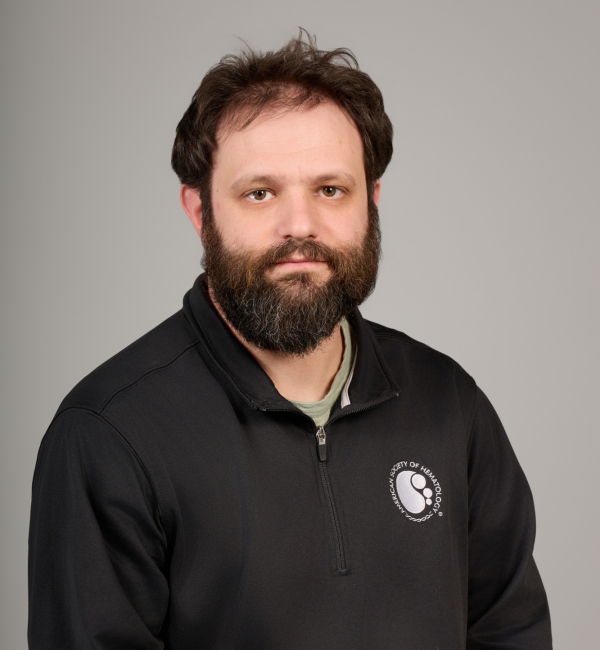
Nahuel Zamponi (Visited Ithaca October 20-26, 2025) |

Glenn Simmons Jr. (Visited WCM May 13-16, 2025) |

Elisa Benedetti (Visited Ithaca September 16 - October 5, 2024) |
Kristy Richards Memorial Lecture
The Kristy Richards Memorial Lecture is an annual event that highlights groundbreaking research at the intersection of basic science, translational medicine, and clinical care. By welcoming nationally recognized scientists and physician-scientists to Cornell, the lecture creates opportunities for learning, collaboration, and the exchange of ideas across the cancer research community.
The lecture serves as a forum for bringing together investigators, clinicians, trainees, and students who share a commitment to advancing discoveries from the laboratory to the clinic.
| Past Events |
|---|

May 7, 2026 Dr. Mark Mamula |
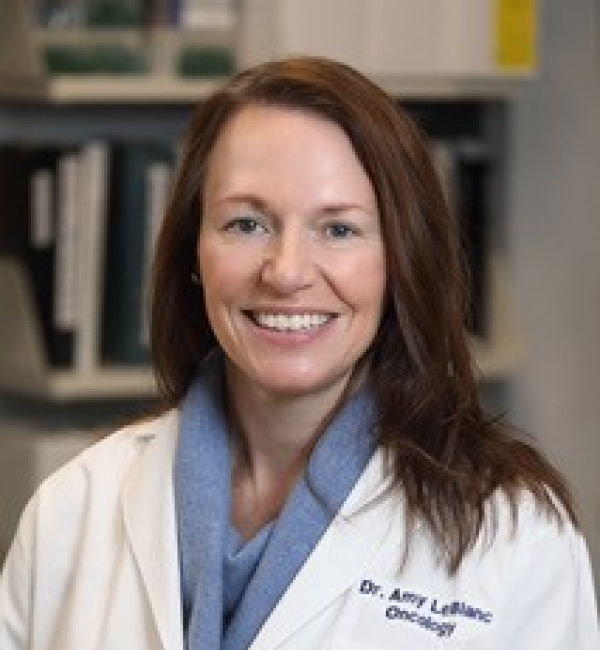
May 6, 2024 Dr. Amy LeBlanc "Comparative Oncology Efforts in Canine Osteosarcoma: A Translational Patient Model for Humans" |

May 10, 2022 Dr. Luca Aresu “Integrative approach to fight cancers in dogs and humans reveals similarities and differences: DLBCL as paradigm” |
Collaborative Paper of the Year
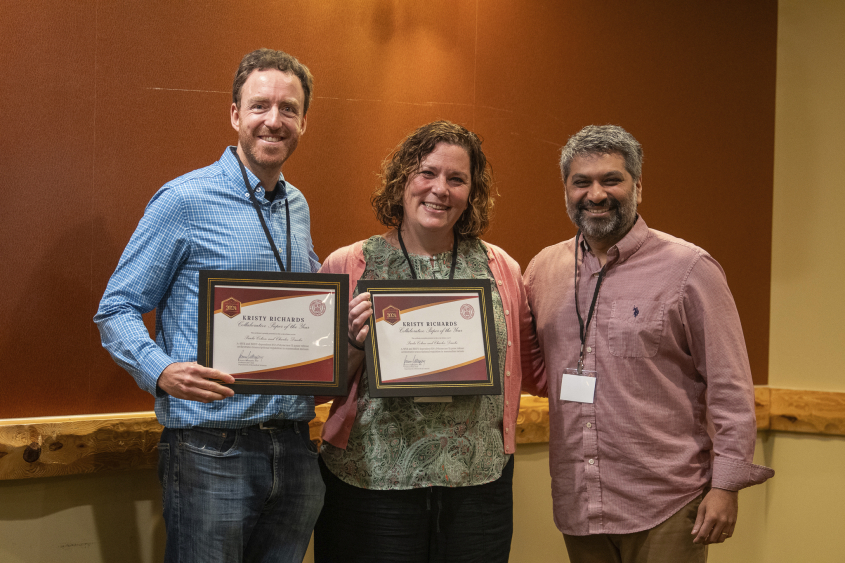
The Kristy Richards Collaborative Paper of the Year Award honors a research publication that exemplifies excellence in collaborative science. Awarded annually, it recognizes interdisciplinary partnerships that bring together investigators across Cornell to advance impactful research and discovery.
In addition to celebrating scientific achievement, the award provides $1,500 to support team-building activities for members of the collaborating research groups, fostering the connections that drive future innovation.
Annual Recipients

2026 To be announced!
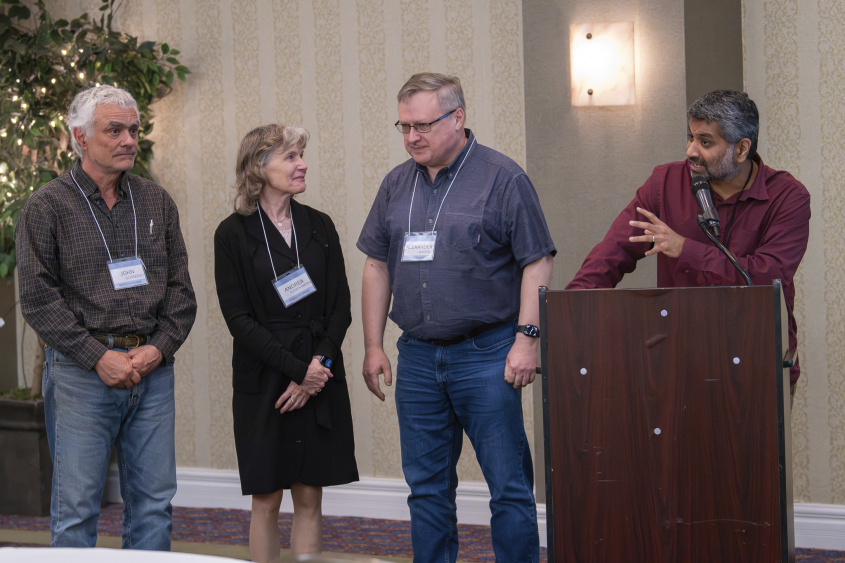
2025 Alex Nikitin, Andrea Flesken-Nikitin, & John Schimenti
Pre-ciliated tubal epithelial cells are prone to initiation of high-grade serous ovarian carcinoma