


Feline Health Center Faculty Associates /Staff
Faculty
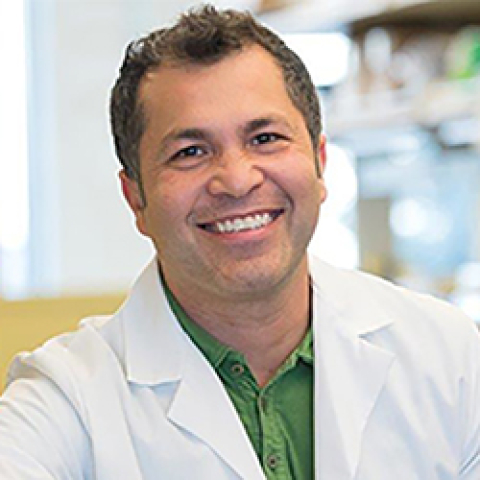
Dr. Aguilar-Carreno (publication name Hector C. Aguilar) is a Professor of Virology in the Department of Microbiology and Immunology at Cornell University. He received a B.S. degree in Biochemical Engineering from Instituto Tecnologico de Tepic, Mexico before immigrating to the USA. He obtained a M.S. degree in Biology from California State University, Los Angeles, and a PhD degree in Biochemistry and Molecular Biology from University of Southern California, where he was introduced to viruses. He received post-doctoral training in Virology at University of California, Los Angeles, under the mentoring of Dr. Benhur Lee, and then became an Assistant Professor at the Paul G. Allen School for Global Animal Health at Washington State University (WSU). At UCLA he pioneered the identification of cell receptors for Nipah virus (NiV) and Hendra virus (HeV) and began to establish important tools to study NiV and HeV entry into mammalian host cells, as well as viral assembly/exit from infected cells. He has adopted technologies previously foreign to the field of Virology to the study of enveloped viruses, including Raman Spectroscopy, Super-resolution Microscopy, and Flow Virometry. His studies on viral glycoproteins and their roles in host cell entry and viral assembly inform novel ways to develop vaccines and antivirals. Dr. Aguilar-Carreno has served in many important scientific committees, including: Director of Graduate Studies of the WSU Immunology and Infectious Diseases PhD program; member of the WSU CVM Research Council; member of the WSU Internal Governance Board for NIH T32 post-doctoral program; member of the American Society for Virology (ASV) Education Committee; Ad-hoc member of ~20 NIH study sections; Standing Member of VIR-A NIH study section; Chair of the American Society of Microbiology Committee for Minority Education; Chair of the American Society of Virology Diversity, Equity, and Inclusion committee; Chair of the Cornell CVM Diversity Committee; member of the Cornell CVM Research Council; member of the Cornell presidential postdoctoral fellowship committee; member of the BBS PhD Admissions committee, Director of the Cornell Program for Achieving Career Excellence, Chair of 16 PhD student thesis committees; member of >30 PhD student committees; and most recently President Elect of the American Society of Virology, among other service roles.
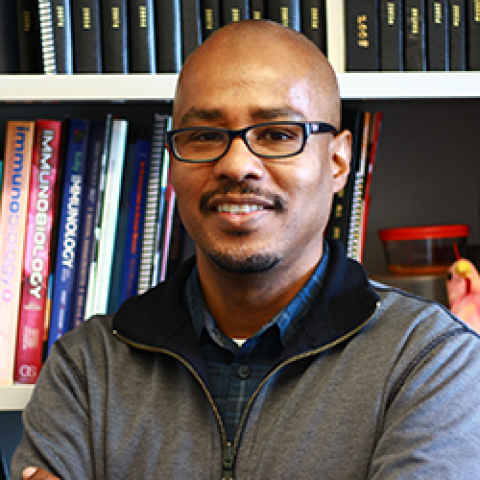
Dr. August is Professor and former Chair of the Department of Microbiology and Immunology. He is currently HHMI Professor and Deputy Provost. His previous position was as Distinguished Professor of Immunology in the Department of Veterinary & Biomedical Sciences, and Director of the Center for Molecular Immunology & Infectious Disease, at The Pennsylvania State University at University Park, where he started as an Assistant Professor. He received a B.S. degree in Medical Technology from the California State University at Los Angeles, and a Ph.D. degree in Immunology from the Weill Cornell Graduate School of Medical Sciences. He was a Postdoctoral fellow at The Rockefeller University with the late Hidesaburo Hanafusa.
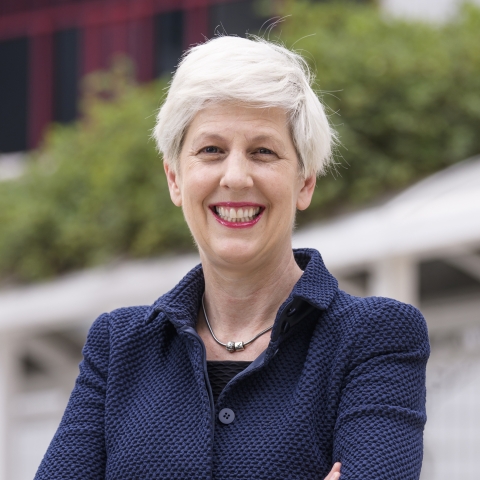
Professor Vanessa Barrs is Chair Professor of Companion Animal Health and Disease at City University's Jockey Club College of Veterinary Medicine and Life Sciences. She graduated from the University of Sydney's Faculty of Veterinary Science in 1990 with a Bachelor of Veterinary Science. Vanessa worked in companion animal practice in Sydney for several years before specialising in Feline Medicine and was awarded Fellowship of the Australian and New Zealand College of Veterinary Scientists in 2000. Professor Barrs completed a Master's degree in bacteriology and a PhD in one-health mycology at the University of Sydney, supported by an Australian Government Endeavour Research Fellowship.
Vanessa was appointed as Senior Lecturer in Small Animal Medicine at the University of Sydney in 2004, where she was Department Head of Small Animal Medicine for almost 15 years and also Professor of Feline Medicine & Infectious Diseases. Other senior leadership roles have included a four-year term as Director of the University Veterinary Teaching Hospital, Sydney (UVTHS), and Advisory Board member of the Marie Bashir Institute of Infectious Diseases & Biosecurity, a One-Health transdisciplinary research institute at the University of Sydney.
Vanessa has held numerous roles advocating for companion animal health, including as a founding panellist of the Australasian Infectious Diseases Advisory Panel and serving on the Veterinary Practitioner's Board of New South Wales and the Australian Veterinary Board Council's Committee for Registration of Specialists. She is a past president of both the Feline Chapter of the Australian and New Zealand College of Veterinary Sciences and the International Society of Companion Animal Infectious Diseases. She was an associate editor for The Veterinary Journal and is a member of the editorial boards of The Veterinary Journal and The Journal of Feline Medicine & Surgery, as well as associate editor for Medical Mycology Case Reports.
BVSc(hons) PhD, Dean of the Jockey Club College of Veterinary Medicine and Life Sciences (JCC)
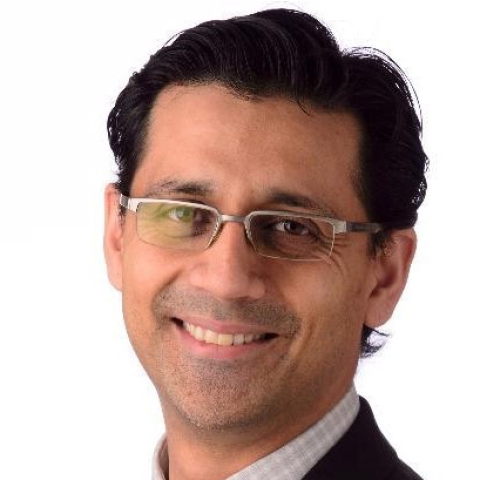
I am an Associate Research Professor at Cornell University College of Veterinary Medicine. I am a Medical Physicist combining expertise in physics and medicine to help and people and animals. I have published in a variety of fields, including safety and quality improvement in human oncology, machine learning methods from medical images and medical image processing, and am currently exploring the use of AI with medical images in the veterinary setting, including detecting diseases in cats and dairy cows, and preventing injuries in Thoroughbred racehorses.
I am a senior lecturer in the Department of Clinical Sciences, Section of Anesthesia and Pain Medicine, in the Cornell University Hospital for Animals. My research interest is pain management in all species (with strong focus on dogs) — particularly severe, chronic pain and interventional pain medicine. I often collaborate with Sports Medicine/Rehab Service.
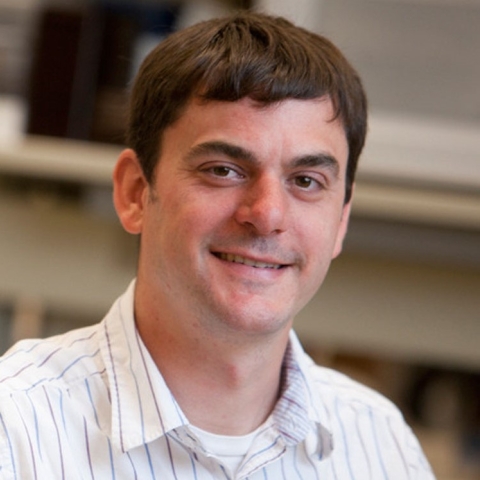
I am an Associate Professor in Biomedical Sciences at the Cornell University College of Veterinary Medicine and a member of the fields of Genetics, Genomics and Development, Biomedical & Biological Sciences, and Computational Biology. I am also co-founder and Chief Science Officer of Embark Veterinary, a dog DNA testing company founded in 2015 and incubated at the Cornell McGovern Center, as well as a trustee for the Morris Animal Foundation. My research focuses on complex trait mapping, bioinformatics, statistical genetics, inference of evolutionary forces and demographic history from genomic data, and understanding the evolutionary process of domestication and rapid adaptation.
Prior to joining the faculty at Cornell, I received undergraduate degrees in computer science and evolutionary ecology from the University of Illinois as well as a masters in Computer Science and doctorate in Biology at Purdue. I also worked as a postdoc and research associate at Cornell and Stanford studying population genomics before focusing my research on canine genomics. My family includes three kids, three ducks and a dog, Penny (http://embk.me/penny2848).
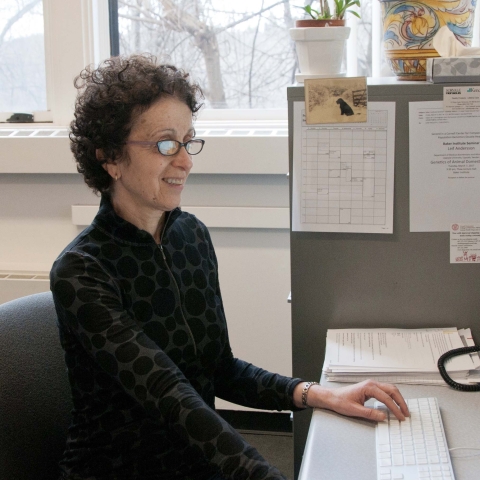
I am a veterinarian and internal medicine specialist whose career has focused on diagnosis and treatment of coagulation disorders. My laboratory is a central site for diagnosing bleeding disorders in dogs, and our research aims to gain understanding of the genetic and environmental factors that cause these diseases. In addition to disease diagnosis, our laboratory works with other veterinary researchers in multi-institution studies to design evidence-based treatment regimens for dogs receiving anticoagulant and antiplatelet drugs, and to develop new and effective blood products for transfusion and regenerative medicine.
Recent/ongoing canine projects include:
- Platelet studies- immune-mediated thrombocytopenia, comparative proteomics
- Anticoagulant therapy- pharmacokinetic/pharmacodynamic studies of new oral drugs
- Transfusion therapy- investigation of lyophilized platelet concentrates, plasma replacement for anticoagulant toxicities
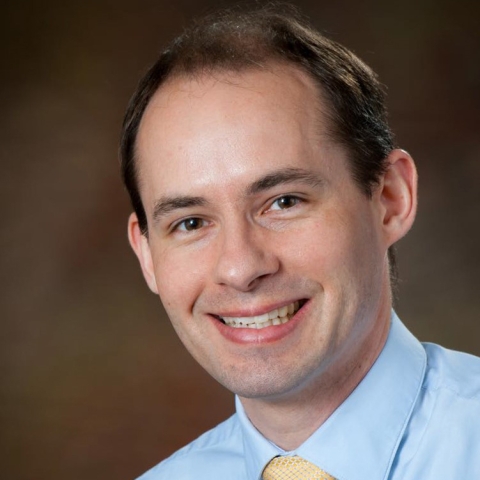
My training is as an internal medicine specialist with a special interest in infectious disease and as an epidemiologist; most of my time is spent in the Small Animal Community Practice guiding veterinary students through primary care cases. I am originally from New Hampshire, obtained my DVM from Cornell, did an internship at the University of Pennsylvania, spent a year in general practice in Oregon, completed a residency in small animal internal medicine at Oregon State University, and obtained a PhD in epidemiology from Boston University School of Public Health while working as an internist for Tufts VETS in Massachusetts. My research focuses on exploring the evidence base behind common primary care recommendations, the effective use of diagnostic/screening tests, and training of veterinary students. I also serve as a resource for other clinician-scientists in designing and analyzing clinical studies.
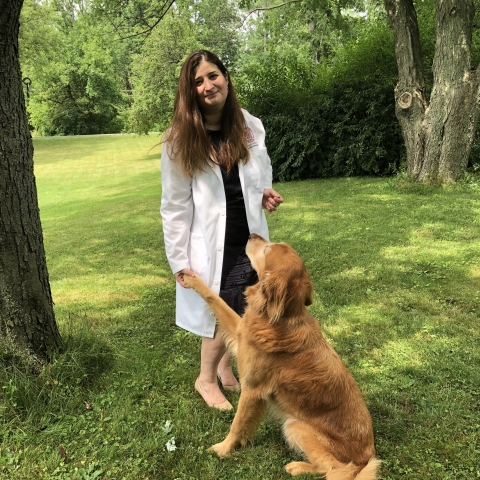
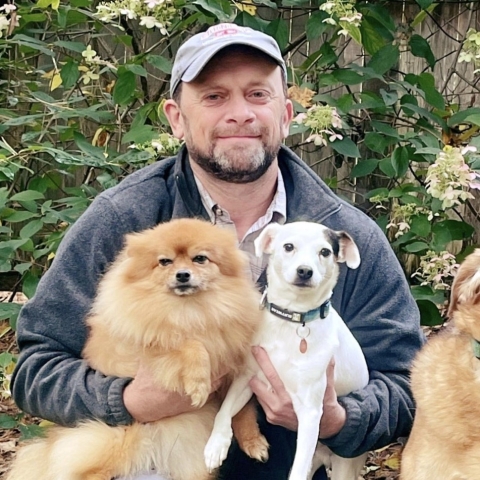
Dr. Brian Collins, D.V.M. '94, is an extension veterinarian for the Cornell Richard P. Riney Canine Health Center and a senior lecturer of community practice service in the Department of Clinical Sciences. He is also a veterinarian at Farm Sanctuary in Watkins Glen, New York and provides consultations for the Cornell Feline Health Center, focusing on animal wellness, preventative care and the human-animal bond. His animal family includes dogs Dottie, Speck and Iris; cat Quinoa; and chicken Gladys.
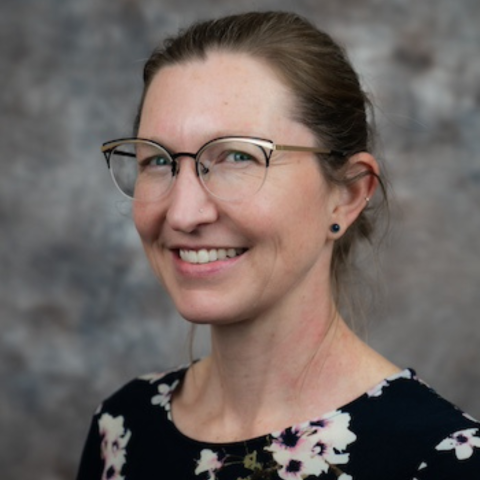
Lena DeTar is an Associate Clinical Professor of Shelter Medicine at the Cornell University College of Veterinary Medicine. She graduated from the University of Minnesota College of Veterinary Medicine and is a diplomate of both the American College of Veterinary Preventive Medicine and of Shelter Medicine Practice through the American Board of Veterinary Practitioners. Dr. DeTar’s interests include infectious disease management and prevention, population management and metrics, elective and non-elective shelter surgery, and shelter medicine instruction. She teaches clinical-year students and interns at Tompkins County SPCA, lectures in the veterinary school classroom, provides consultation services, and does clinical research. She served as a co-editor for the 2022 ASV Guidelines for Standards of Care in Animal Shelters, and is the current president of the Association of Shelter Veterinarians.
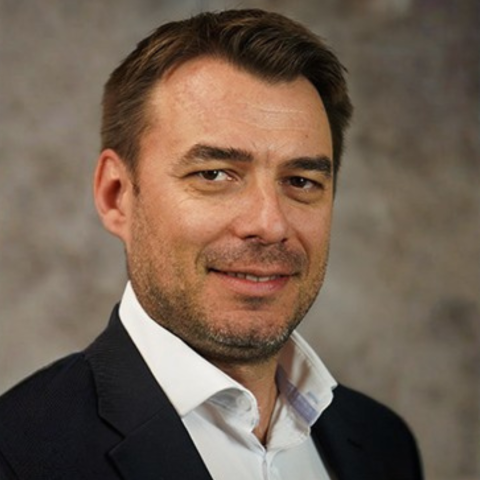
Dr. Diego Diel, DVM, MS, PhD is an Associate Professor of Virology in the Department of Population Medicine and Diagnostic Sciences and the Director of the Virology Laboratory at the Cornell Animal Health Diagnostic Center (AHDC), College of Veterinary Medicine, Cornell University. Dr. Diel’s research focus on studying emerging viruses at the human animal interface. His current research program focuses on the study of the emerging viruses at tha human animal interface. Dr. Diel led the Cornell team involved in detection of H5N1 spillover into dairy cows other mammalian species, including domestic cats. His lab is currently working on surveillance and vaccine development studies for these viruses for use in felids.
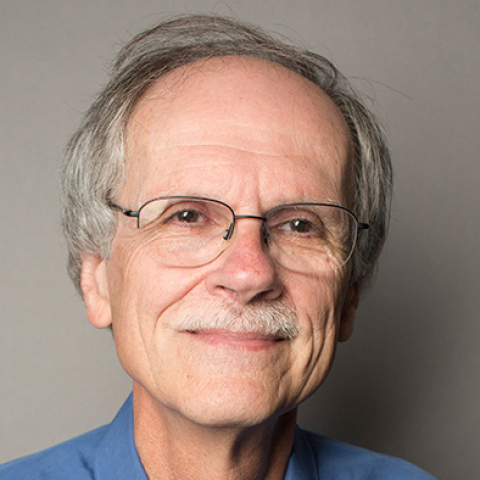
PhD, MS, Emeritus
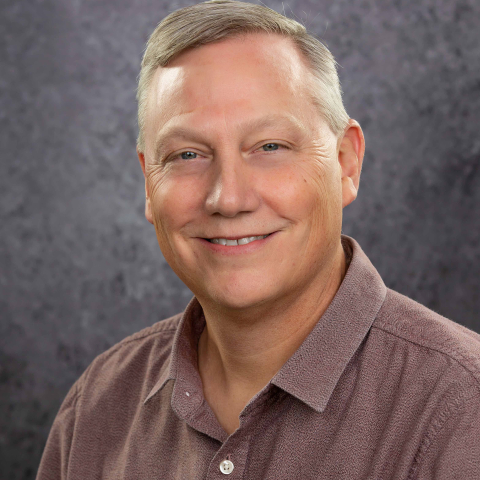
Dr. Fletcher's research interests include high fidelity medical simulation for veterinary training; novel diagnostic markers and therapeutic targets for patients in shock; non-invasive measures of cardiac output and oxygen delivery; diagnosis and treatment of disordered fibrinolysis; biochemical prognostic and diagnostic indicators and cardiopulmonary resuscitation.
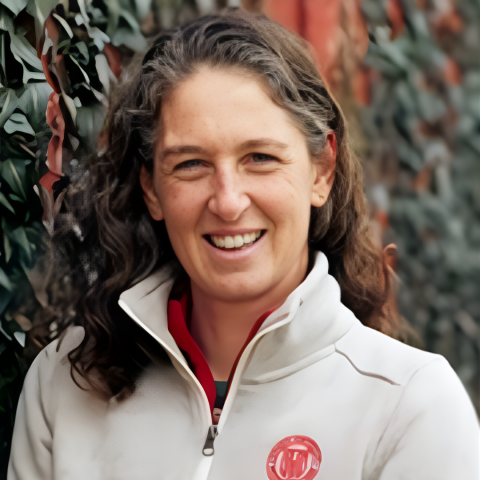
Dr. Elisha Frye is a veterinarian in Veterinary Support Services at the Cornell Animal Health Diagnostic Center (AHDC) within the Cornell University College of Veterinary medicine, providing diagnostic consultation for clients of the laboratory. She graduated from the Cornell University College of Veterinary Medicine in 2010 and then worked as mixed animal veterinarian for 8 years in central New York. Her passion was large animal ambulatory practice, with a focus on dairy cattle. Dr. Frye joined the AHDC in 2018 and became board certified in the American College of Veterinary Preventive Medicine in 2021. Dr. Frye is interested in infectious diseases affecting large and small animals, and the interface between public health, agriculture, and wildlife.
I am a small animal emergency and critical care specialist. My research employs laboratory investigations and clinical trials and focuses on diagnosis and management of thrombosis, use of biomarkers for diagnosis and management of sepsis, and the treatment of canine immune-mediated hemolytic anemia.
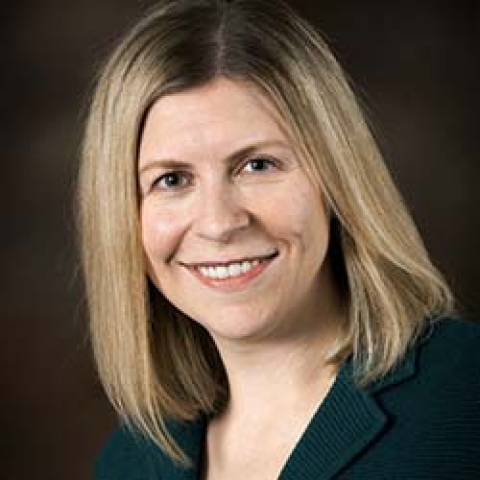
The Goodman Lab leverages genomic technology to study canine infectious diseases in a One Health framework. Thematic research areas include pathogen discovery, antimicrobial resistance and tick-borne disease. We aim to fill knowledge gaps in animal health while informing public health policy.
Dr. Hayes' research interests include the Surgical Techniques Initiative: Clinical trials evaluating changes in surgical methods that can reduce incisional pain and inflammation, reduce infection rates and improve healing in canine surgery. Other areas of interest include predictive scoring systems in clinical medicine, minimally invasive surgery, and trauma management.
I am a Professor of Comparative Ophthalmology at the Cornell University College of Veterinary Medicine and a Diplomate of the American College of Veterinary Ophthalmologists. After graduating from the University of Missouri College of Veterinary Medicine, I completed a small animal medicine and surgery internship at Texas A&M University College of Veterinary Medicine and a comparative ophthalmology residency at Cornell University, where I joined the faculty in 2006.
My research program focuses on ocular infectious diseases and non-invasive advanced in vivo imaging techniques of the eye. I have a specific interesting in canine infectious keratitis, including canine herpesvirus-1 ocular surface diseases. My research involves canine herpesvirus-1 includes investigations into host-pathogen interactions, mechanisms responsible for latent virus reactivation, and novel therapeutic strategies for ocular canine herpesvirus-1 infections.
Cynthia Leifer, Ph.D. is a Professor in the Department of Microbiology and Immunology at the College of Veterinary Medicine. The Leifer lab investigates activation and regulation of immune responses to improve vaccines, develop new ways to treat autoimmune inflammatory diseases, and most recently to develop novel cell-based immunotherapies to treat diseases of cats. Chimeric antigen receptors (CARs) can be used to target infected or cancerous cells and have been successful in humans and dogs. Current work supported by the Feline Health Center is to develop CAR-T and CAR-Natural Killer therapies against feline coronavirus that causes the fatal disease feline infectious peritonitis (FIP). The Leifer lab has created CARs that recognize the spike protein of feline coronavirus and developed new processes to isolate, expand, and genetically engineer therapeutically relevant numbers of feline T cells expressing the CAR. This foundational research expands the potential to treat FIP and other diseases such as cancer and autoimmunity in cats.
Dr. Latasha Ludwig is a veterinary anatomic pathologist and an Assistant Clinical Professor in the Department of Population Medicine and Diagnostic Sciences and the Animal Health Diagnostic Center. She completed her Doctor of Veterinary Medicine degree and combined PhD and anatomic pathology residency training at the Ontario Veterinary College, University of Guelph. Her graduate research focused on miRNAs as diagnostic and prognostic biomarkers in canine tumors. As well as the oncogenomics of canine and feline tumors. In her current role, she focuses on histologic grading systems in canine and feline tumors, including assessment of inter-pathologist agreement, novel and multi-species validation of immunohistochemical markers, and many collaborative research projects applying her expertise as a pathologist to multi-disciplinary teams.
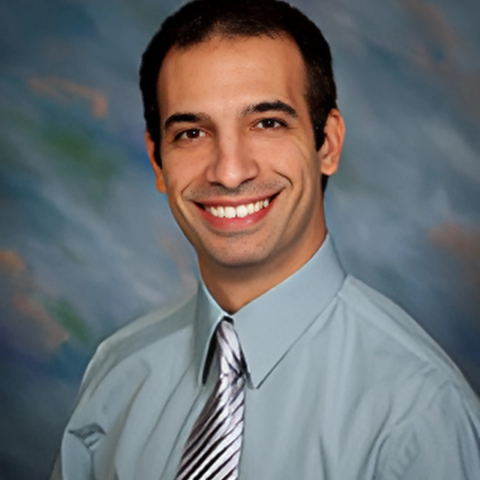
Dr. Martin-Flores received his doctorate in veterinary medicine from the Universidad Catolica de Cordoba, Argentina, in 2002. He worked in the private sector practicing small animal general veterinary medicine, and in academia as instructor in Veterinary Pharmacology and Toxicology for two years before coming to Cornell. He completed a residency in Anesthesiology at Cornell in 2007 and was then appointed as faculty in that section. Dr. Martin-Flores provides clinical anesthesia for all domestic species and is the director of the anesthesiology residency program at Cornell. His research is focused on neuromuscular function and monitoring, and cardiopulmonary function during anesthesia. Dr. Martin-Flores is a member of the American College of Veterinary Anesthesia and Analgesia.
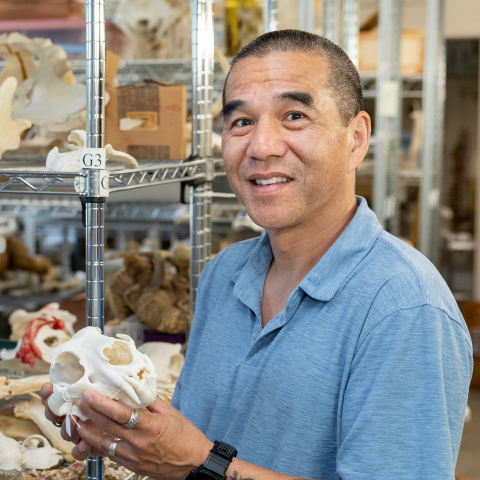
Maza teaches feline and canine anatomy to veterinary students, with a focus on clinical applications, also discussing the natural history of wild felines regarding their behavior, social structure, and anatomic adaptations for hunting and locomotion.
With the FARVets organization, Maza leads trips internationally to help grassroots animal welfare organizations with their missions to improve animal welfare in their communities. They do this through education and wellness clinics and sterilization clinics to address overpopulation issues, and other projects to promote animal health and wellness in cities and rural and remote villages. Domestically, the group works with regional small humane societies, animal shelters, and trap/neuter/return (TNR) groups by planning and implementing cat sterilization and vaccination clinics for feral and pet cats. Both abroad and domestically, the group teaches veterinarians and veterinary students surgical skills, and consult and advise animal welfare groups how to plan and implement sterilization clinics.
Maza serves as one of the consultants for the Cornell Feline Health Center, offering supplementary information about cats’ health with their owners.

I am professor of virology, and I study canine viruses and immune responses to them. My lab's main areas of study include canine parvovirus and canine H3N2 and H3N8 influenza viruses.
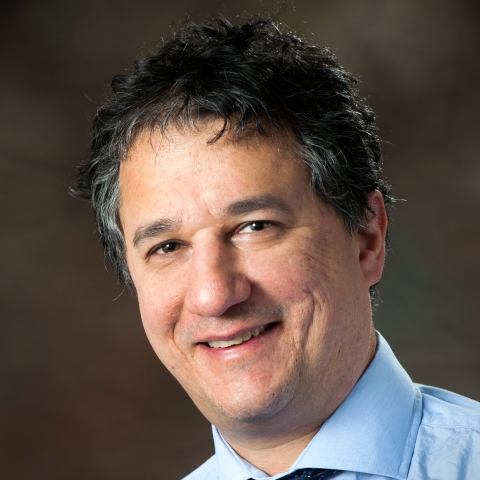
As a clinical expert in veterinary dentistry and oral surgery, I routinely diagnose and treat oral cancer in dogs. As a surgeon, I have the responsibility of helping clients make informed decisions regarding the best treatment options for their pets. Unfortunately, the treatment options currently available have remained unchanged for decades and are all associated with significant complications and side-effects. Novel rational therapies are expected to complement or replace current standards of care, but will require a deep understanding of the etiopathogenic mechanisms involved. An important part of my research focuses on understanding the molecular pathogenesis of the most common oral tumors in dogs. For this, I have established teams of investigators from different fields including molecular genetics and genomics, medical oncology, veterinary pathology, laboratory animal medicine and biochemistry. Our goal is to generate knowledge that can ultimately be translated to clinical practice.

I am the director of the AHDC Diagnostic Endocrinology Laboratory, and the Endo Lab was the first lab to perform canine testing for anti-Müllerian hormone (AMH) to distinguish between spayed and intact females, and this was later expanded to test for ovarian remnant syndrome (ORS). The AMH assay is also used to test for cryptorchidism and testicular remnants. Anti-Müllerian hormone is commonly used in human medicine to estimate the size of the ovarian reserve of oocytes and to titrate the dose of gonadotropins as part ovarian stimulation protocols in the context of assisted reproduction technologies (ARTs). As the uses of ARTs in dogs advance, AMH testing has the potential to serve the same roles in dogs as it does in women. Seeing as Cornell University is currently a leader in the field of canine AMH testing for ORS and cryptorchidism, I would like the Endo Lab to be positioned to be the leader in the field of AMH testing in the context of canine ARTs, and being affiliated with the Canine Health Center will be mutually beneficial in this regard.
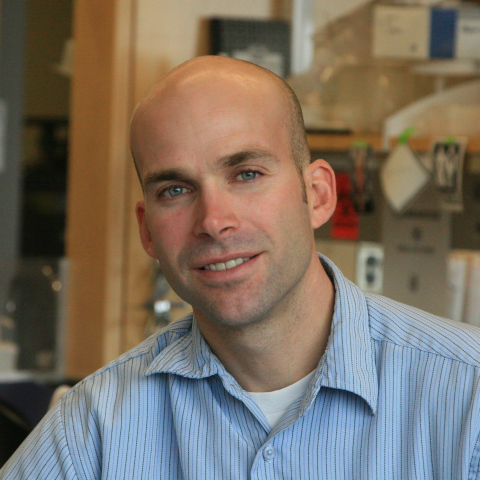
My lab seeks to better understand why individuals in early life are more susceptible to infection than adults and respond poorly to vaccination. While the underlying basis for this increase in susceptibility is not known, many reports have indicated that it is due to quantitative and qualitative differences in neonatal T lymphocytes. We believe these differences arise from altered programs of T cell production and maintenance during early stages of development. In early life, there is a greater proportion of immature recent thymic emigrants, more extensive homeostatic proliferation of naïve T cells, different hematopoietic precursors, and a smaller repertoire of T cells. We are currently using neonatal mouse models of infectious diseases to determine the relative contribution of these differences toward impaired adaptive immune responses. The goal of my research is to identify the most critical primary defects in neonatal T cells, as well as to uncover the mechanisms that underlie such defects. Knowledge gained from these studies will then be used to design more effective therapeutic interventions and vaccines that can be safely administered in early life.
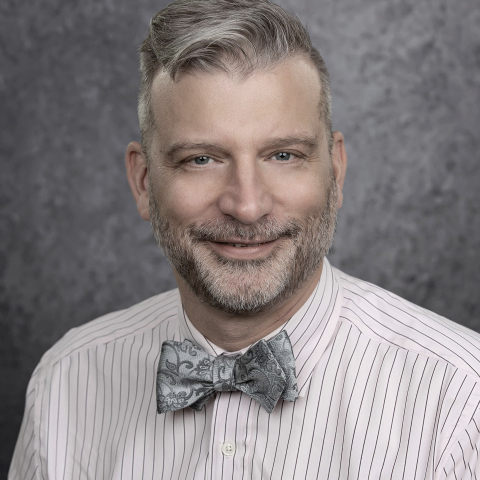
As a clinical scientist and veterinary radiologist, the broadest description of my research is the use of imaging and epidemiologic techniques for investigating and establishing the best clinical practices in animal health care. My specific research focus is advancing the understanding of head and neck disorders, with emphasis on the role of the underlying morphology. Modern technological innovations have made imaging indispensable for evaluating conditions that involve the complex structures of the head and neck (eg, skull base, central nervous system, deep vascular and lymphatic tissues, paranasal sinuses, endocrine glands)—especially when considering the vast anatomic variation among species. My research has direct benefit to the animals that are commonly admitted to our hospital (ie, dogs, horses, and cats) and the people associated with these animals.
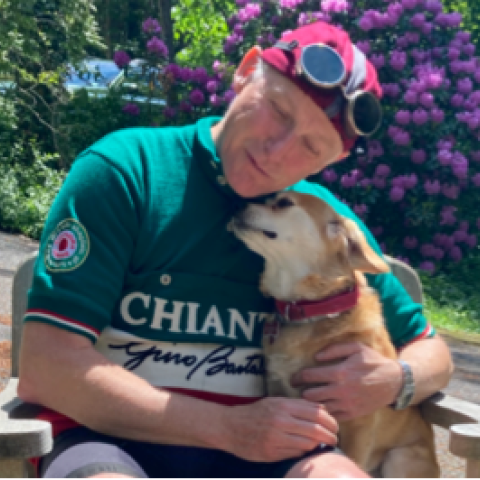
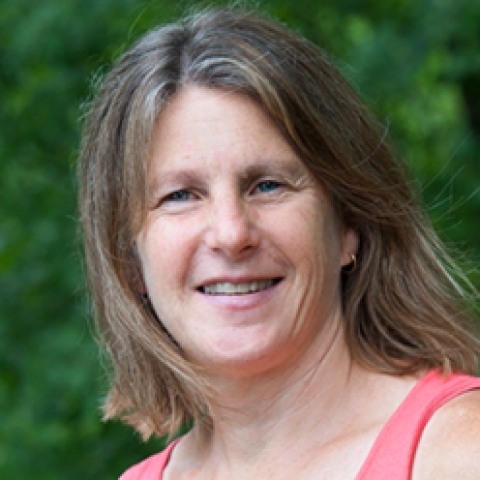
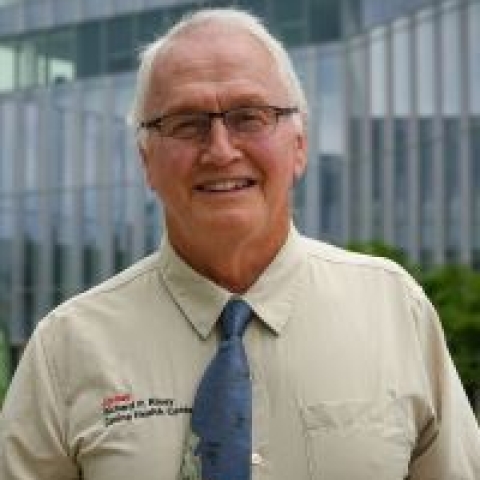
As a translational orthopedic researcher who practices small animal orthopedic surgery, my main research interest has been in genetics and complex trait mapping. My research has relied at a fundamental level on leveraging natural inherited disease in our veterinary clinical population to discover the genetic factors predisposing to complex trait inheritance. The Cornell Veterinary Biobank is the first biobank to achieve accreditation by the International Standards Organization (ISO 203807). I am convinced that properly processed and archived biological samples, with a clear chain of attribution, are critical to valid preclinical and basic research. Using these samples, I am interested in reducing the severity of complex orthopedic traits in dogs especially hip dysplasia, elbow dysplasia, rupture of the cranial cruciate ligament (ACL in humans), and Legg Calve Perthes disease using genetic and genomic tools. The goal is to develop a tool kit of genetic strategies to identify breeding dogs with good orthopedic genetic quality to predict and prevent and introduce novel therapies for orthopedic disease. As a surgeon, I am concerned about surgically-related orthopedic infection in dogs and how to better surveil these infections in our teaching hospital to reduce and prevent them using epidemiological, genomic and metabolomic tools.
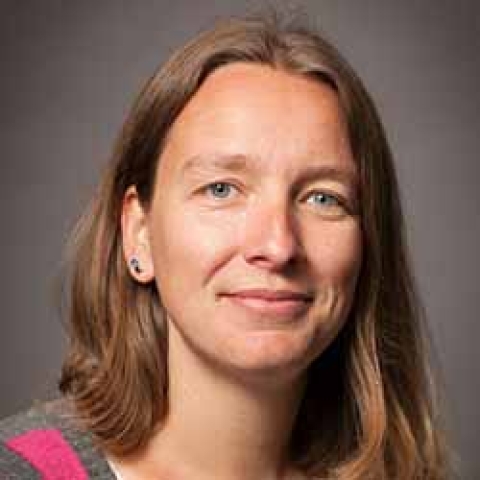
My research focuses on new avenues towards therapeutic intervention by better understanding the pathogenesis of diseases important to veterinary and human medicine. Stem cell biology and viral pathogenesis are the 2 main focus areas in the lab.

My research focuses on the structure and function of viral envelope proteins — how genomic mutations lead to changes in the envelope proteins and control viral pathogenesis in influenza viruses and coronaviruses, including SARS-CoV-1 and 2, MERS-CoV and feline coronaviruses. This work supports novel vaccines, therapeutics and diagnostic test development.
Staff

Operations Coordinator
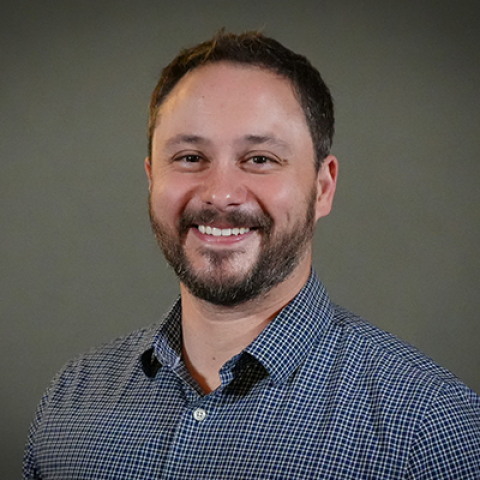
John Enright has served as a digital marketing specialist for the Baker Institute for Animal Health, the Cornell Richard P. Riney Canine Health Center and the Cornell Feline Health Center since 2022. His responsibilities include photography, videography, creation of printed materials, display items, graphic design and website management.
Enright previously worked in the Cornell University athletics department as assistant director of athletic communications. He assisted in the department’s multimedia efforts and aided in the execution of on-site productions for Cornell on the ESPN family of networks.
Prior to Cornell, Enright was a multimedia specialist for Ithaca College. He helped create video and audio content for Ithaca's 27 varsity teams, including interviews, web streaming, highlights and specialized material focusing on coaches, athletes and facilities. Enright also served as an adjunct professor in the Roy H. Park School of Communications.
Enright is a 2009 graduate of East Stroudsburg University. He obtained his master's degree from West Virginia University in 2011, and earned a certificate in digital marketing from the Cornell SC Johnson College of Business in 2019.
A native of Garnet Valley, Pa., Enright currently resides in Freeville, N.Y. with his wife, Michelle, and Boston Terrier, Louie.
Digital Marketing Specialist
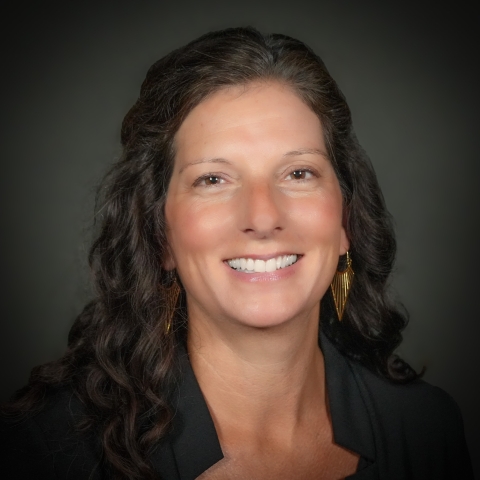
Heather A. Hughes is an accomplished communications professional with extensive experience in strategic marketing, public relations, and community engagement. Currently serving as the Assistant Director for Communications & Marketing at Cornell University's Animal Health Centers, Heather leads the development and execution of multi-channel marketing strategies, collaborating with faculty and staff to enhance the visibility of the centers. Her previous roles include Director of Sales and Marketing at the Ithaca/Tompkins County Convention & Visitors Bureau and Director of Community Relations & Development at Racker, where she successfully led rebranding initiatives and fundraising efforts. Heather holds a Bachelor of Science in Travel and Tourism Administration from Niagara University, bringing a strong foundation in hospitality management to her diverse career.
Her animal family members include two labradors, Macy, a Cornell College of Veterinary Medicine blood donor, and Winston, their Morkie, Milly, and a variety of chickens.
Assistant Director for Communications & Marketing
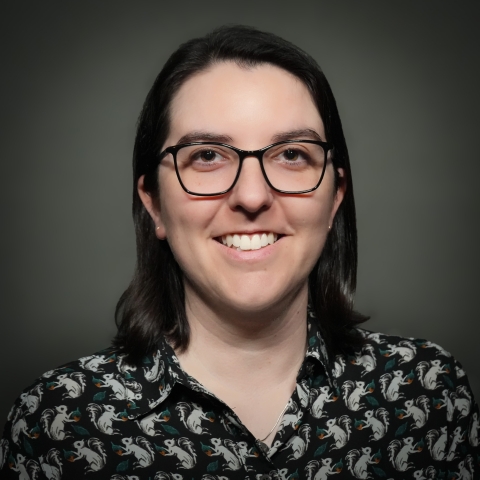
Junelle King joined the marketing and communications team supporting the work of the Animal Health Centers to assist in strengthening and bringing greater visibility to the Baker Institute for Animal Health, the Cornell Feline Health Center and the Cornell Richard P. Riney Canine Health Center through social media campaigns and content creation. Junelle also aids in the development of timely and accurate content for the Animal Health Center’s websites, longer form content creation, collaborating on multi-media projects and assisting in management of digital assets.
Before joining the team in 2024, King worked in veterinary medicine at Cornell University Hospital for Animals since 2018. As a licensed veterinarian technician (LVT), she worked in both small and large animal anesthesia, radiation oncology and medical oncology.
In her free time, King enjoys going for walks with my rescue dog, Xena, as well as gardening, birdwatching and crocheting.
Marketing and Social Media Specialist
I graduated from the Cornell College of Veterinary Medicine in 1992, then spend a year in a private veterinary practice in metropolitan New jersey before returning to Cornell as its first veterinary cardiology resident in 1993. I was board certified in veterinary cardiology in 1997, and completed a PhD in pharmacology here at Cornell in 2005. I was the associate director of the Cornell Feline Heath Center from 2012-2019, and have been its director since 2019.
I have been a lifelong dog and cat owner, and I feel honored to be able to help dogs, cats, and and a number of other species of animals live happy, healthy lives by diagnosing and treating their cardiovascular diseases. In addition to my work in the clinic, I am dedicated to helping owners understand and advocate for the well-being of their pets through the provision of validated information and support.
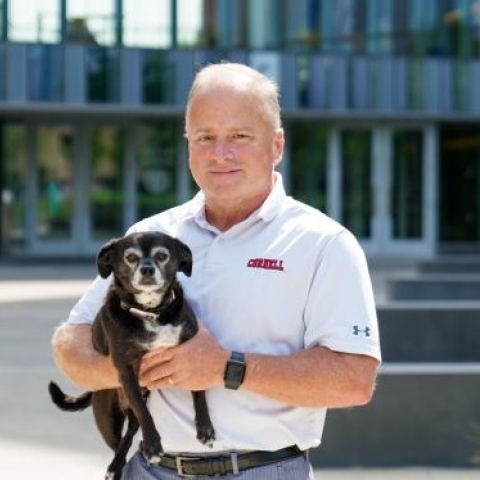
Dr. David Lee has joined the CVM leadership as faculty and associate dean for external programs. Dr. Lee will provide oversight of the Center for Veterinary Business and Entrepreneurship (CVBE) and in the continued development of the Canine Health Center. He will also contribute to teaching and expanding the CVBE’s course offerings for veterinary students, other degree programs and for external audiences.
Most recently, Dr. Lee comes from the University of Minnesota College of Veterinary Medicine, where he had served as hospital director of one of the nation’s largest veterinary teaching hospitals since 2006. He held a faculty position as associate professor of veterinary practice management and served as director of career development. In 2018, Dr. Lee was inducted into the UMN Academic Health Center’s Academy for Excellence for Health Care Practice for the successful design and implementation of pet wellness plans in a teaching hospital setting. At Minnesota, Dr. Lee also served as interim chair of their Department of Veterinary Clinical Sciences. From 2003 to 2006, Dr. Lee served as hospital director at Colorado State University.
Dr. Lee received his B.S. degree in animal science (’88) and his D.V.M. (’94) from Cornell University. He was a small animal general practitioner in Portland, ME before returning to Cornell as an instructor and extension veterinary for the college’s endocrinology laboratory. He received his MBA degree from the Johnson School in 1999 and stayed on at the CVM as director of external relations and marketing until 2003.
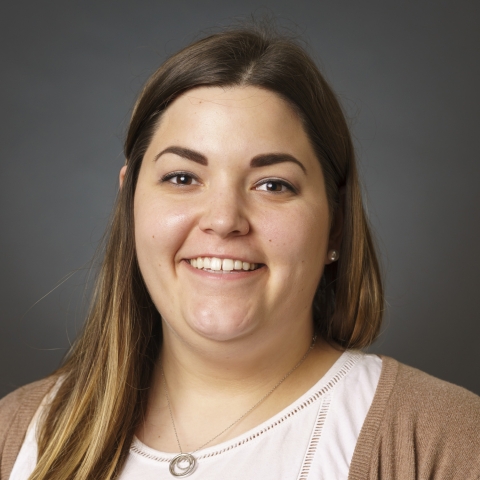
Ashley McLean is an event coordinator at the Richard P. Riney Canine Health Center and the Cornell Feline Health Center, where she plans events that support the centers' missions of advancing animal well-being through research, education, and outreach. Her work helps create meaningful experiences that connect communities to the centers' goals.
Before this role, Ashley was part of the student activities and special events team at Cornell University’s Johnson Graduate School of Business. There, she organized a variety of events that fostered community and enhanced the student experience.
Ashley holds a degree in Recreation, Parks, and Leisure Studies from SUNY Cortland, where she focused on program and conference planning. This foundation has equipped her with the skills to manage successful events in both the nonprofit and academic sectors.
Originally from the Finger Lakes region of upstate New York, Ashley enjoys spending time outdoors with her two golden retrievers, Gus and Indie. They bring plenty of joy and adventure to her life outside of work.
Events Coordinator
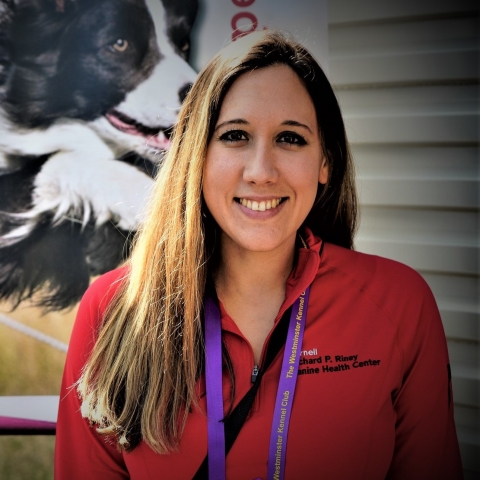
Programs & Operations Lead for External Programs