| Faculty Name and Picture | Research Area(s) |
|---|---|
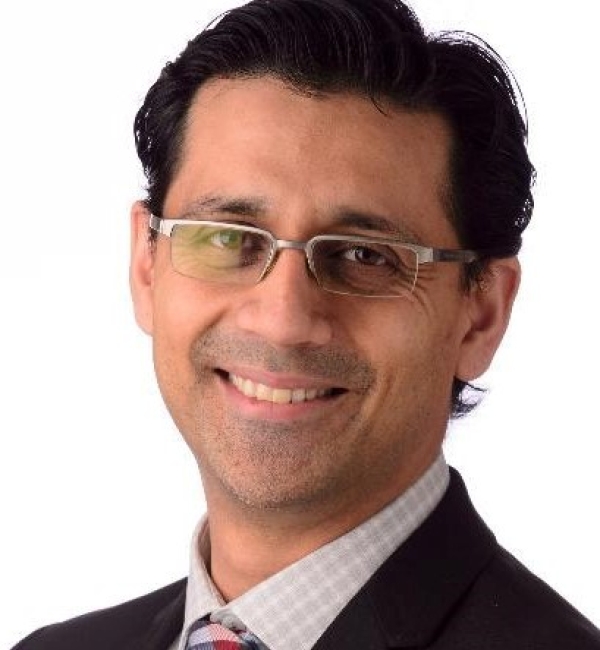
| Radiation Dosimetry and Treatment Planning; Medical Image Processing and Analysis; and Medical Physics Training and Education. I have keen interests in machine learning methods in radiation oncology, radiomics, and stereotactic ablative radiation therapies and hypo-fractionation. |
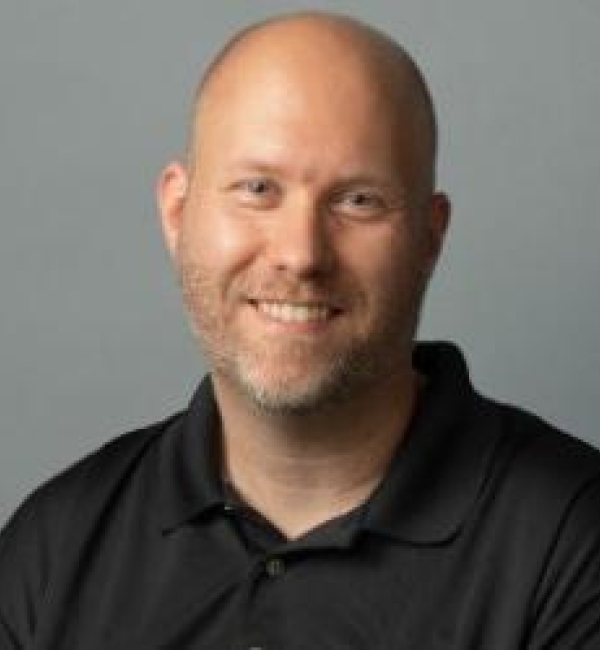
| Host/microbe relationships and control of intestinal stem cell behavior in homeostasis and disease - lab |

| Signal transduction growth factor receptors; protein structure; drug design and chemical biology; signaling cues that direct cell proliferation, differentiation and development - lab |
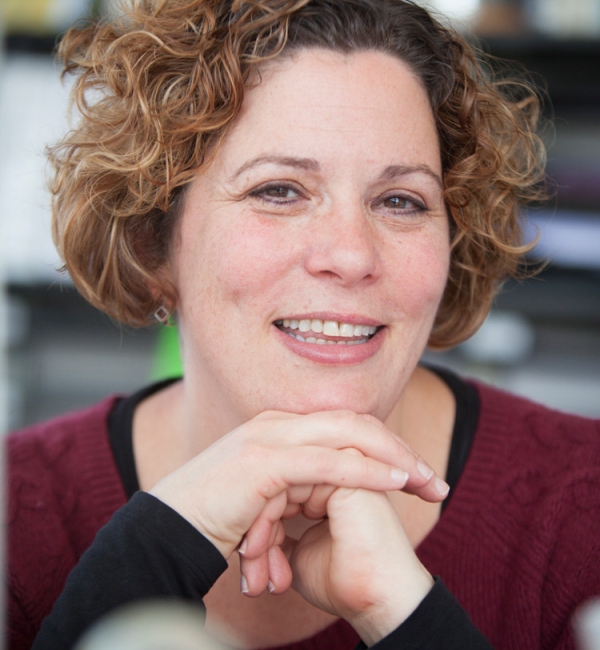
| Etiology of spontaneous birth defects in mammals; mechanisms of meiotic recombination; DNA repair proteins in meiosis and recombination; germ cell development; ovarian development - lab |

| Pharmacology; cancer cell biology; small GTPase regulation of intracellular traffic and cellular growth control - lab |
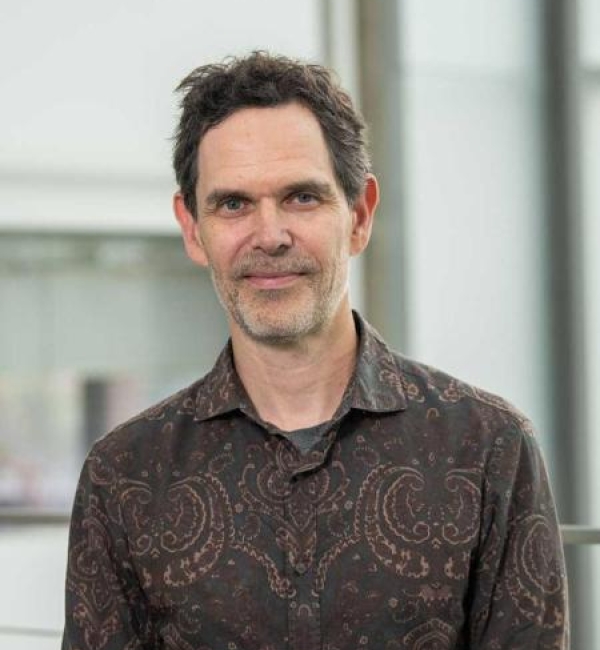
| Metalloenzyme structure and catalysis; protein electron transfer; nitric oxide enzymology; bacterial chemotaxis; circadian clock photo sensors - lab |
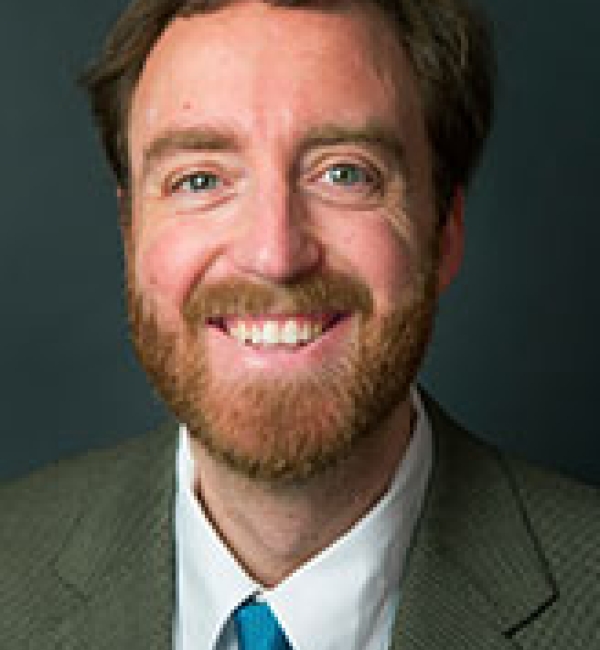
| Medical genetics and genomics and cancer biology research |
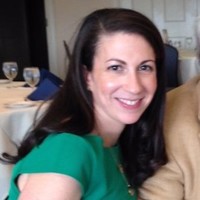 | As a trained, American College of Laboratory Animal Medicine (ACLAM) board certified veterinarian, Dr. Erin Daugherity has a strong interest in animal models of disease, the humane use of animals used in teaching and research, and applying the 3 R’s (reduce, refine, replace) to the use of animals in research. |
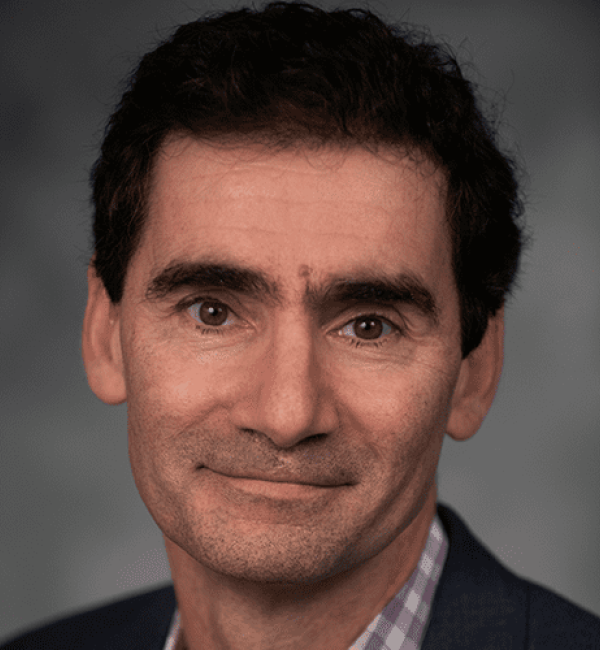
| Molecular biotechnology; protein biogenesis and folding pathways; protein engineering - lab |
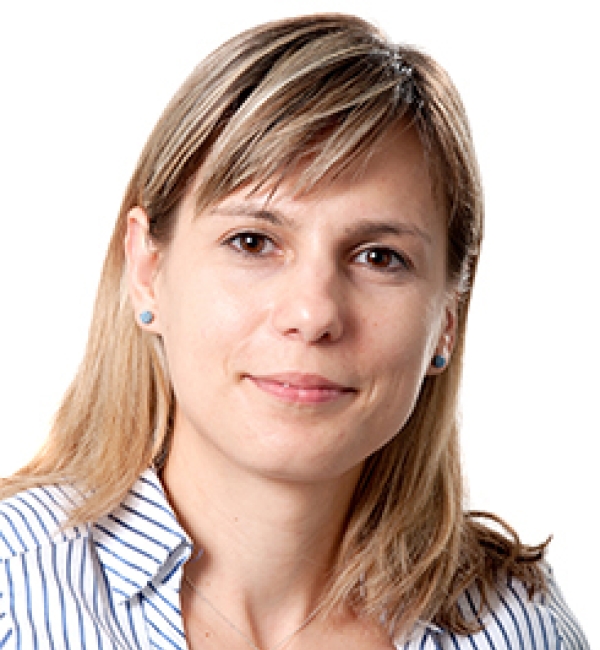
| Neuropathology, Infectious Diseases, Translational Medicine |
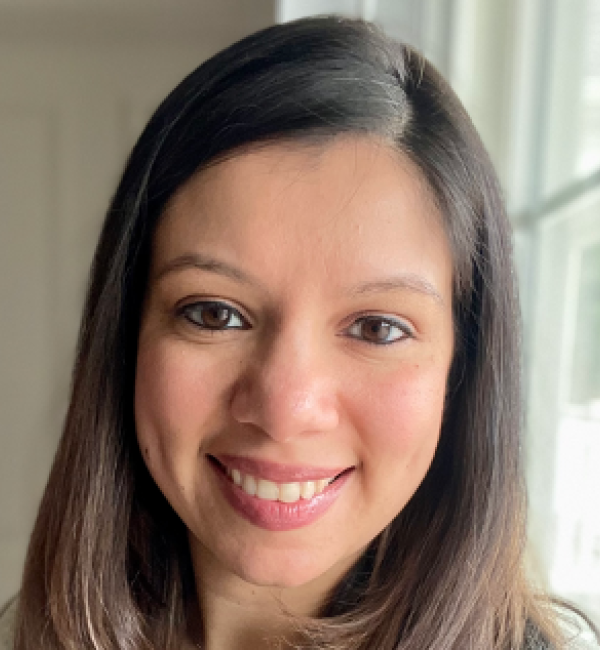
| Epithelial-Mesenchymal Transition as a driver of resistance to anti-tumor immunity - lab |
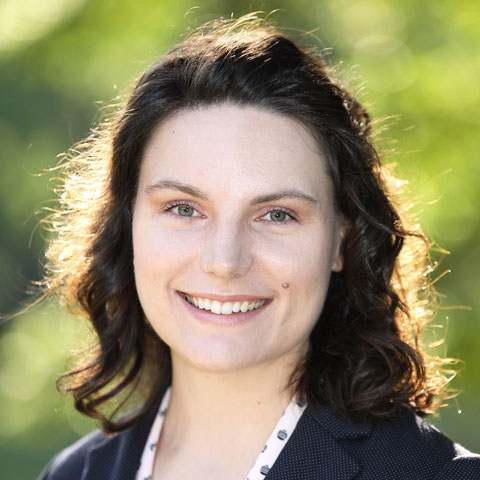 | hereditary diseases in dogs to identify genetic variants contributing to disease development - lab |
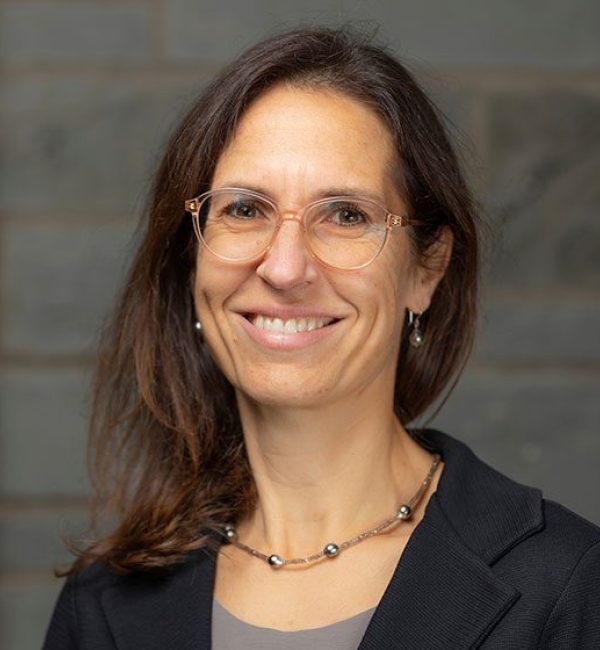
| Tissue-engineered model systems for analysis of microenvironmental conditions fundamental to cancer pathogenesis and therapy - lab |
| Developing equine mammary and gastric organoid cell culture models to study cancer resistance and infectious disease in vitro | |
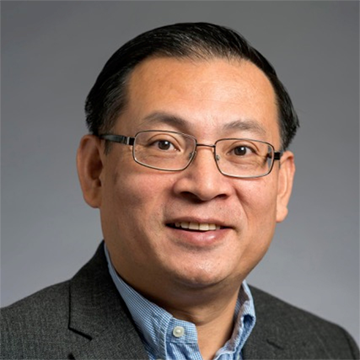 | (a) Immunology of nanomaterials and implantable materials and (b) safe and targeted delivery of mRNAs and DNAs for cancer immunotherapies/vaccines and neurological diseases |
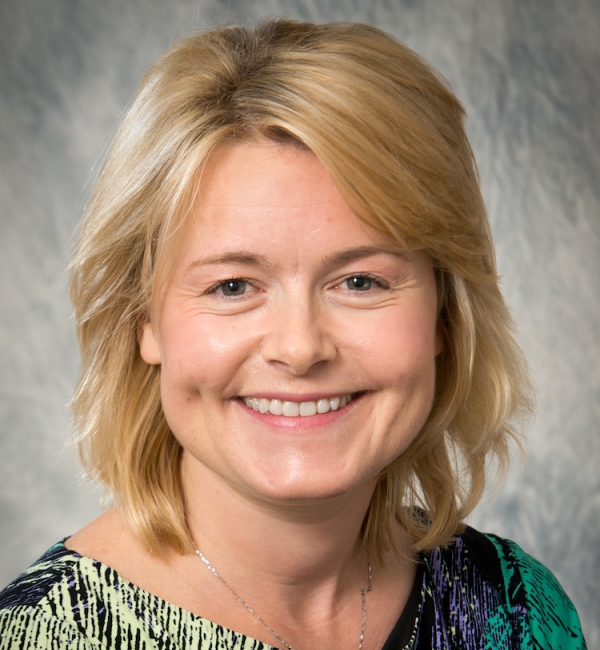
| Tissue morphogenesis; cell shape and architecture; organ development; gut morphogenesis; mammary gland biology; breast cancer - lab |
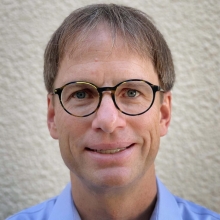
| Cellular biomechanics; mechanotransduction; cell migration; muscular dystrophy and cancer cell biology - lab |
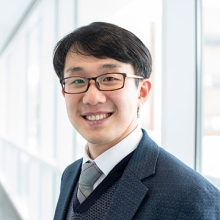
| The laboratory is currently focused on further advancing the novel 3D organ-on-chip systems, as well as developing both cellular and molecular tools and in vivo models, to better understand the mechanisms through which cells regulate their response to biological and mechanical cues - lab |
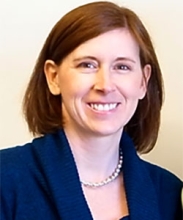
| Understanding innate immunity from the receptors that detect microbes to how innate immune cells react to changes in their environment during inflammatory processes - lab |
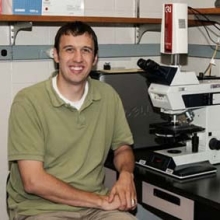
| Anatomic pathology; small and large animal neuropathology; CNS tumorigenesis; disease diagnostics; stem cell pathology - lab |

| Stem cells and cancer; pathogenesis of ovarian and prostate cancers; modeling of human disease in genetically modified mice and human organoids - lab |

| Cancer metabolism and therapeutic opportunities |
| Dr. Peralta's research interests include:
|
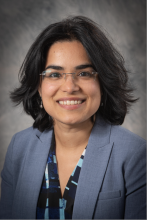
| membrane protein trafficking and quality control mechanisms - lab |
| Role of cellular protein, lipids, and glycans play in viral infection |
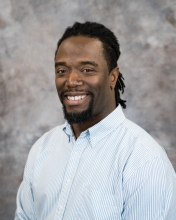
| The Simmons lab focuses on the role that lipids play in the regulation of inflammatory and other immunological processes in the tumor microenvironment. Using 3-Dimensional bioprinting technology, we are developing novel patient-derived in vitro tumor models for testing various therapeutic approaches in non-small cell lung carcinoma. -lab |

| Functional genomics; gene regulation; molecular genetics; gastrointestinal physiology; stem cell biology; metabolic disease - lab |
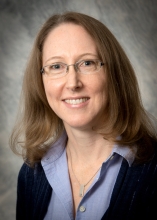
| Signaling of cellular oxidative stress; molecular mechanisms used by cellular pathways that sense and signal redox imbalances within the cell |
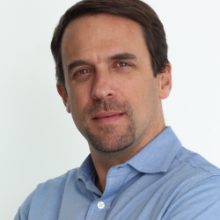
| Cell signaling and genome maintenance; DNA replication stress; phosphproteomics |
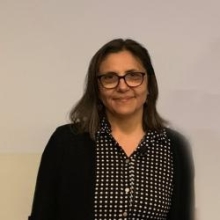
| Basic cellular and molecular mechanisms implicated in cell fate choice and stem cell activity within tissues - lab |
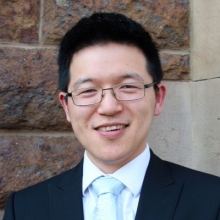
| We use molecular biology, genetics and animal models to dissect how our metabolism gives rise to chemicals that damage our DNA- Wang Lab |
 | Molecular mechanisms for the maintenance of genomic stability; cellular responses to DNA damage; mouse models of human cancer - lab |
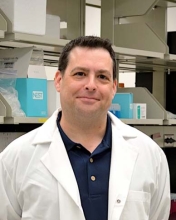
| Cancer biology; stem cell biology; biochemistry and cell biology - lab |
| Leukemia; cell growth and differentiation; oncogenes/genetics - lab |
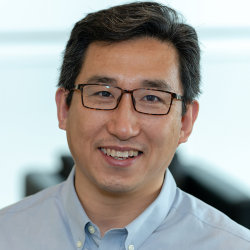 | The Yu group performs research in the broad areas of Network Systems Biology. We use integrated computational-experimental systems biology approaches to determine protein interactions and complex structures on the scale of the whole cell. In particular, we focus on protein-protein and gene regulatory networks and seek to understand how such intricate systems evolve and how their perturbations lead to human diseases, especially autism spectrum disorder and cancer. |

Phone Numbers
Routine and Emergency Care
Companion Animal Hospital in Ithaca, NY for cats, dogs, exotics, and wildlife
607.253.3060 DirectionsEquine and Nemo Farm Animal Hospitals in Ithaca, NY for horses and farm animals
607.253.3100 DirectionsAmbulatory and Production Medicine for service on farms within 30 miles of Ithaca, NY
607.253.3140 DirectionsAnimal Health Diagnostic Center New York State Veterinary Diagnostic Laboratory
607.253.3900 DirectionsGeneral Information
Cornell University College of Veterinary Medicine Ithaca, New York 14853-6401
607.253.3000 DirectionsQuestions?
Email Us