


VILP Mentors
Faculty mentors in the Veterinary Investigation & Leadership Program (VILP) represent a wide range of research areas and come from a number of departments within the College and the University. As an intense summer research experience is the cornerstone of the VILP, it is important that prospective applicants give careful consideration to the faculty mentor with whom they wish to work. Below is a partial list of previous VILP mentors, featuring only those who are currently active faculty members.
| Faculty Photo | Faculty Member Department Affiliation | Research Interests |
|---|---|---|
 | Molecular Medicine | Molecular and cellular mechanisms driving organ regeneration; how stem cells produce differentiated cells that coalesce to form functional organs, in an animal where regeneration proceeds without inhibition |
 | Population Medicine & Diagnostic Sciences | Molecular basis of Salmonella pathogenesis; the genetic and environmental control of epithelial cell invasion |
 | Microbiology & Immunology | Regulation of T-cell activation, development and function; T-cell differentiation; mast cell function and eosinophil function |
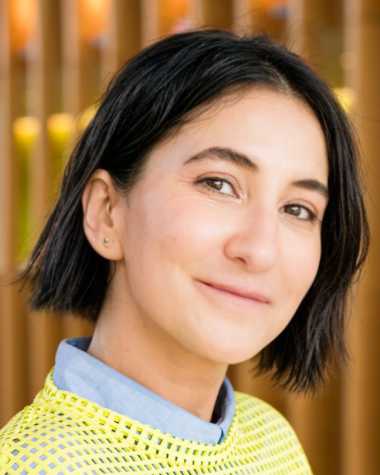 | Public & Ecosystem Health | Pathogen evolution and phylodynamics, seasonal disease transmission, anthropogenic effects (e.g. vaccines), adaptive behavior, the role of climate |
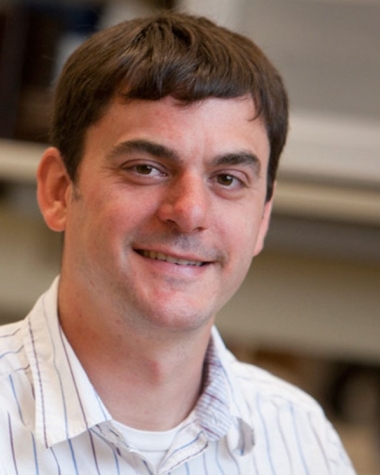 | Biological Sciences | Canine genomics, including understanding the mechanisms and consequences of inbreeding, drift, and adaptation in populations undergoing natural and artificial selection |

| Microbiology and Immunology | Viruses, Immunology, Canine, Antibodies |
 | Clinical Sciences | Epidemiology of zoonotic diseases, evidence-based medicine, and One-Health; developing methods to improve antimicrobial resistance surveillance and track multidrug resistance |
 | Molecular Medicine | Signal transduction growth factor receptors; protein structure; drug design and chemical biology; signaling cues that direct cell proliferation, differentiation and development |
 | Population Medicine and Diagnostic Sciences | Infectious diseases and host-pathogen interactions, pulmonary pathology and respiratory diseases, tick-borne pathogens such as Ehrlichia and Anaplasma spp. associated diseases and immunopathology, diagnostic pathology and the development of diagnostic tools |
 | Biomedical Sciences | Etiology of spontaneous birth defects in mammals; mechanisms of meiotic recombination; DNA repair proteins in meiosis and recombination; germ cell development; ovarian development |

| Clinical Sciences | Therapeutic interventions for musculoskeletal disease including osteoarthritis, fracture repair and tendon/ligament disease |

| Public & Ecosystem Health | Application of epidemiologic approaches to investigate the ecology and transmission of Salmonella and other foodborne pathogens among a wide variety of hosts |
 | Baker Institute for Animal Health & Dept. of Biomedical Sciences | Medical genetics and genomics and cancer biology research |
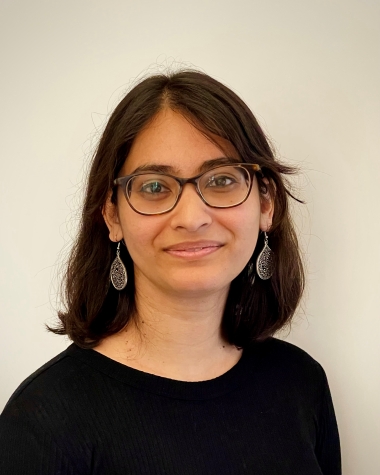 | Biomedical Sciences | Genetic and epigenetic mechanisms of chromosome inheritance and aging during meiosis and early development |
 | Clinical Sciences | Joint injury leads to arthritis in horses and humans. Mitochondria as a link between cartilage trauma and osteoarthritis. |
| Biomedical Sciences | Molecular mechanisms at maternal-fetal interface, genetics of miscarriage, immunobiology placentation |

| Population Medicine & Diagnostic Sciences | Molecular mechanisms underlying virus-host interactions, focusing on the mechanisms underlying viral immune evasion that contribute to virus virulence and disease pathogenesis |
 | Biomedical Sciences | Understanding mechanisms that can potentiate the efficacy of immune checkpoint blockade therapy in the context of poorly responding tumors |
 | Biomedical Sciences | Hereditary diseases in dogs to identify genetic variants contributing to disease development |

| Clinical Sciences | Cellular and molecular mechanisms involved in B cell response; neonatal immunology and response to vaccination; immunomodulation using biologic response modifiers; cancer immunotherapy; characterization of primary and secondary immunodeficiencies |
 | Public & Ecosystem Health | Planetary Health/One Health, fisheries, livelihoods, HIV/AIDS, nutrition, environmental change |
| Microbiology and Immunology | Antibody response to viral pathogens, vaccine development |

| Microbiology and Immunology | Regulation of T cell function in inflammatory and infectious disease |

| Public & Ecosystem Health | Ecological drivers of pathogen dynamics, wildlife epidemiology, pathogen dynamics at the wildlife-human interface, quantitative ecology |
 | Public & Ecosystem Health | Pathogen discovery and surveillance, with focus areas on tick-borne disease and antimicrobial resistance; exploring the underlying mechanisms of infectious disease emergence and identifying biomarkers to detect and prevent emerging threats to humans and animals |
 | Biological and Translational Sciences | Genetic underlying traits and diseases of veterinary species, especially canine, feline and equine. Identification and sequence profiling of cell-free DNA circulating in the bloodstream of canine cancer patients, with the aim to develop a non-invasive biomarker test. |
 | Biomedical Sciences | Functional morphology of a wide variety of vertebrate groups, including sensory, musculoskeletal, and reproductive systems, using micro-computed tomographic imaging, contrast-enhanced imaging (e.g., diceCT), evolutionary and biogeographical modeling, and geometric morphometrics |

| Molecular Medicine | Cell biology, identifying additional mediators of endocytosis and determining their function at the molecular, cellular, and organismal levels, with long-term goal to understand how the endocytic machinery influences the form and function of multicellular systems, and structural biology |
 | Animal Science | Animal genetics, genomics, trait mapping, and genetic improvement of animal health, performance, and adaptation. |
 | Population Medicine and Diagnostic Sciences | Epidemiology and ecology of infectious and foodborne diseases; mathematical modeling; spatial epidemiology; risk assessment; public health |
| Population Medicine and Diagnostic Sciences | Viral pathogenesis, hepatopathology, viral discovery, hepatitis |

| Molecular Medicine | Membrane proteins, Chronic pain, Cell biology, Biochemistry, Biophysics |
 | Molecular Medicine | Tissue morphogenesis; cell shape and architecture; organ development; gut morphogenesis; mammary gland biology; breast cancer |
 | Population Medicine and Diagnostic Sciences | Neonatal calf health, antimicrobial stewardship strategies, biomarker predictors of disease risk, precision livestock technologies |

| Microbiology & Immunology | Immune memory, natural killer cells, cytokine signaling, epigenetics |
 | Biomedical Sciences | Axon guidance; neurodevelopment; epilepsy; autism; genomics |
 | Population Medicine & Diagnostic Sciences | Metabolic diseases and insulin signaling; nutrition; epidemiology; metabolic and nutritional immunology |
 | Population Medicine & Diagnostic Sciences | Epidemiology of periparturient diseases in dairy cattle; disease economics; on-farm methods for accurate disease diagnosis |

| Microbiology and Immunology | Th17 cell regulation and functions during infection and autoimmune disease |
 | Clinical Sciences | Central nervous system immune mediated diseases and comparative research on brain diseases among different species. |
 | Biomedical Sciences | Studying the mechanisms underlying neurologic disease in animals utilizing both spontaneously arising disease and experimental models in a variety of laboratory animal species |

| Public and Ecosystem Health | Transmission of pathogens between species, links between land-use change and pathogen spillover, dynamics and drivers of viral pathogens in reservoir host populations, and Implementation of science for the protection of ecosystem and human health |
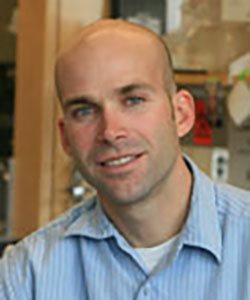 | Microbiology & Immunology | Developmental immunology; host response to infection |

| Molecular Medicine | Protein quality control, membrane trafficking |
 | Biomedical Sciences | Functional genomics; gene regulation; molecular genetics; gastrointestinal physiology; stem cell biology; metabolic disease |

| Molecular Medicine | Signaling of cellular oxidative stress; molecular mechanisms used by cellular pathways that sense and signal redox imbalances within the cell |
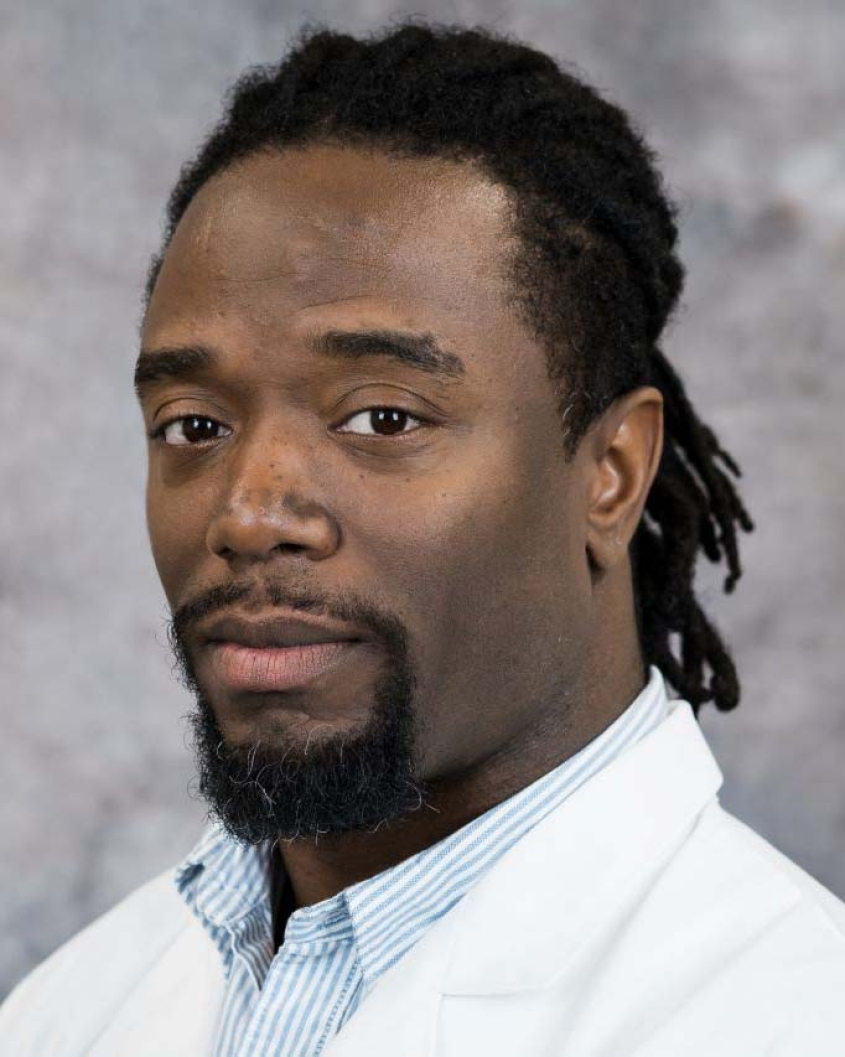
| Biomedical Sciences | Cancer Biology, role of lipids in the regulation of inflammatory and other immunological processes in tumor microenvironment, in vitro tumor models for testing various therapeutic approaches in non-small cell lung carcinoma |
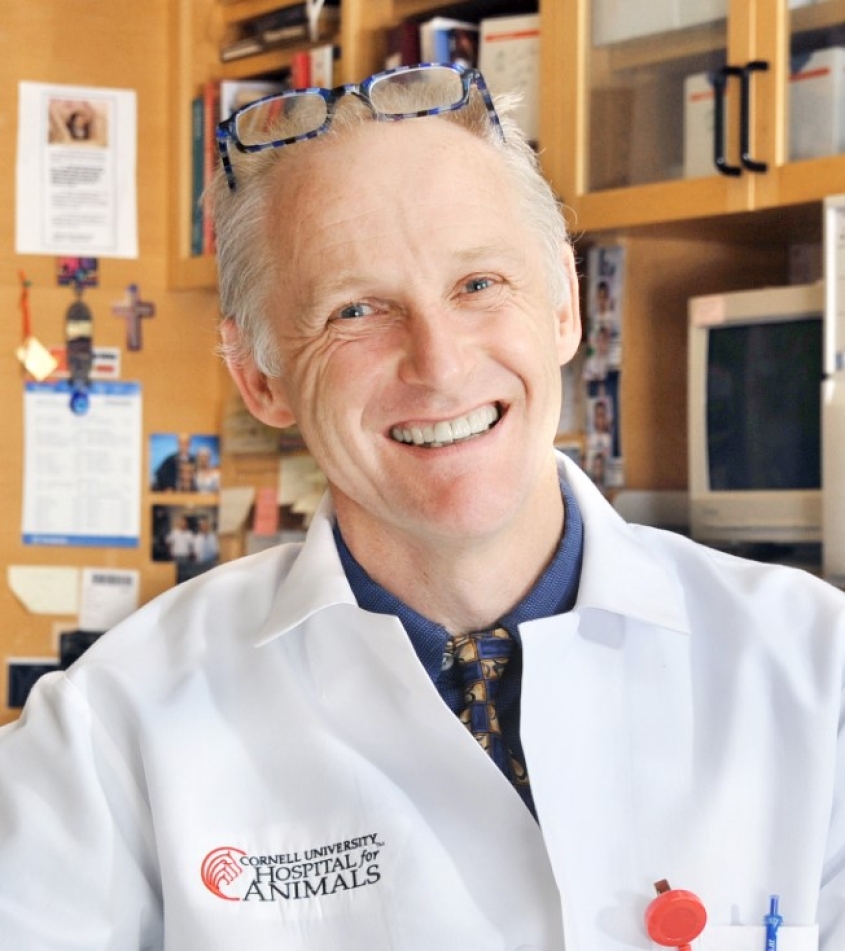
| Clinical Sciences | Gastrointestinal and pancreatic physiology and pathophysiology across species, interactions between the enteric microenvironment (microbial, dietary, and chemical) and the GI tract in health and disease (inflammation and IBD), and the application of culture-independent methods to detect bacteria in clinical samples |
 | Population Medicine & Diagnostic Sciences | The role of tissue factor (coagulation factor III) in hemostasis (particularly thrombotic disorders) and cancer metastasis |
 | Baker Institute for Animal Health & Dept. Biomedical Sciences | Animal health and fertility as well as efforts to help alleviate poverty and hunger in developing countries, work that indirectly benefits local wildlife |

| Microbiology and Immunology | Mycobacterial diseases, understanding how M. tuberculosis acquires and utilizes nutrients during acute and chronic phases of disease and applying this understanding to discover new anti-TB drugs, using chemical-genetics, genomics, and biochemical approaches to discover and characterize the novel M. tuberculosis proteins and pathways required during infection. |
 | Population Medicine & Diagnostic Sciences | Immunity/host; antibody mediated immune mechanisms in infectious disease and vaccination; allergic diseases; neonatal tolerance and allergy predisposition; strategies to develop allergy treatments |
 | Biomedical Sciences | Genome maintenance mechanisms and metabolic pathways in cancer and other diseases |
 | Biomedical Sciences | Cancer biology; stem cell biology; biochemistry and cell biology |
 | Microbiology & Immunology | Pathogenesis of influenza viruses, corona viruses and arena viruses; host range and receptors; activation of membrane fusion; macrophage- and neurotropism; anti-viral therapeutics; diagnostic tests; virus-bacteria co-infections |

| Population Medicine & Diagnostic Sciences | Udder health, calf management |